Blog
Published | Categories: Application, CPM, CTR, Facebook Mobile Ads, Mobile
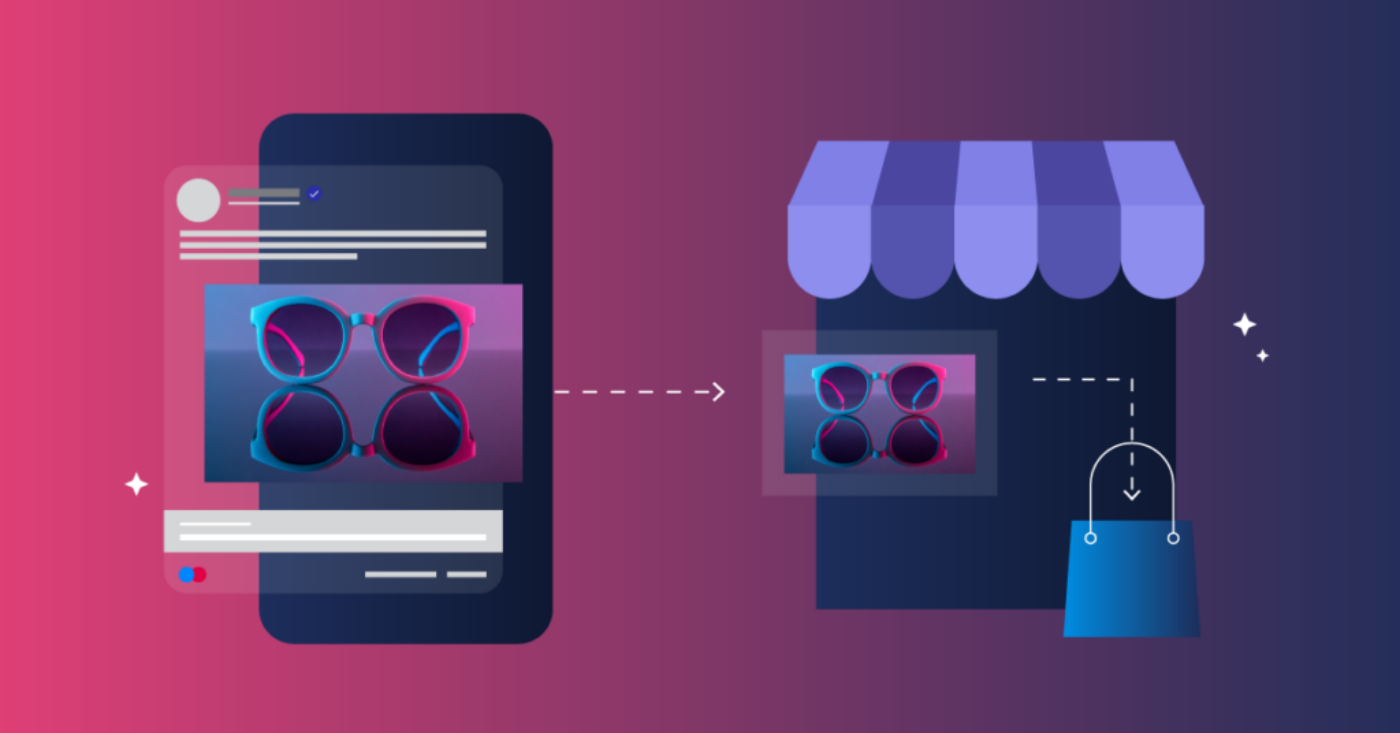
JackThreads Mobile App Install Ad
Facebook Mobile App Install Ad

Few should be surprised by Facebook’s recent announcement that mobile accounted for nearly 30% of revenue generated in Q1. Following years of increased market adoption, smartphones have become a staple in our everyday lives, as represented in a recent survey from eMarketer, based on IDC data.  Posted on April 17th, the article cites that “62% of all respondents aged 18-44 said they reached for their device immediately after waking up, while 79% did so within 15 minutes of rising.” I’ll admit it – I am part of the 62%! Additionally, those that participated in the study offered that they check their newsfeed several times a day adding up to 16.4 minutes a day, – that’s 114 minutes a week and 492 in a month!

To date Apple has sold over 37.4 million smartphones and 19.5 million iPads attributing to the rising number of apps available today. According to InsideMobileApps, there were more than 700 million apps in the App Store, 90% of those receiving new downloads each month. For developers this presents a classic challenge – How can I gain awareness and increase installs in a market that seemingly expands in real time? One clear answer is Facebook’s mobile app install ad unit.

This ad unit appears in a users’ mobile newsfeed, and lays a direct path to the relevant app store for download. In Q1, the Facebook mobile app install ad unit accounted for 25 million app installs, a clear indicator this ad unit is here to stay.

As a result, we have seen spend on this ad unit steadily increase month over month with existing advertisers as well as new advertisers. By working closely with Facebook and mobile measurement partners – we have continued to focus on driving ROI and increasing engagement for advertisers utilizing mobile app install ads in their marketing plans.  

According to recent data, CTR’s for this ad unit have more than quadrupled since December of 2012. We’ve also seen a steady increase in CPM’s – capping at close to $6 in March alone, as Facebook has continued to layer on better algorithms, more creative flexibility, and more advanced targeting.

As Facebook continues to rollout a more premium mobile environment we expect the mobile platform to continue to play an even larger role in the social network’s overall business strategy.

AdParlor CPM & CTR Data by Month. Mobile App Install Ad Unit.

Published | Categories: Advice, Best Practice, Creative, Facebook Ads, Images

Alright marketers, let’s state the obvious, Facebook’s one billion users include some of the most valuable consumers and potential customers on the web – BUT – that also ups the challenge of making your brand unique and truly getting your message across to the intended audience.

So what really grabs your target’s attention on Facebook? What makes them get out of their seats and take action? How do you as a marketer ensure your brand is top of mind? According to AllFacebook, the image portion of your ad contributes to roughly 70% of the value of your ad––meaning if your image fails to impress on that first impression you may not get a second chance. We’re often asked about a magic formula for targeting Facebook’s diverse fan base and the simple answer is – there isn’t one. We have, however, learned quite a bit over the years from running successful Facebook ad campaigns for Fortune 500 brands and thought we’d share a few tried and true tips.

1. Size & Space

When it comes to RHC (“Right-hand column”) ads, utilizing the available space is crucial. These ad images are only 110×80 pixels, and the last thing you want to do is waste the image space with text that’s too small to read, or images that are too tiny to see in detail. Using the space to display a visually appealing and relevant image attracts a user’s attention and keeps the experience positive.

In the examples above, the first image uses type that’s too small to be legible and incorporates an image that doesn’t speak to the service. Without carefully reading the ad, the user could think that laptops are being sold, or old ones purchased–– there’s nothing to indicate that the ad is for laptop repair. In the second ad, the image makes effective use of the space, incorporates tools to indicate repair work, and grabs attention with the bright orange exclamation mark. All in all, a much more effective image that will garner more attention, and more clicks.

2. Color Schemes

Facebook offers an array of activities, so getting your ad to “pop” is paramount within the social environment. Thankfully, Facebook’s branding is consistently white and blue. The cool color scheme suggests that images that favor a warm color scheme will pack more of punch. Reds, oranges, yellow and lime greens will draw attention when contrasted against Facebook’s background, but keep in mind that red can sometimes be more harsh, or have negative connotations when used in certain contexts.

3. Logo Use

A common belief among brands is that your logo is instantly recognizable to almost everyone; however using your logo as your solo advertising image could lead to a much smaller impact than expected. Sure, you might attract the attention of users who are already engaged with your brand, but more likely, you’ll get lost in the sea of other more engaging images.

4. Cropping

The way in which you crop a photo defines what the viewer focuses on and how well that image works. Cropping an image closely to create a focal point helps to engage the viewer by displaying detail, emotion or focus, whereas cropping it too far away shows so little detail that it often fails to attract any attention.

Note how the first image doesn’t show the viewer nearly as much emotion and detail as the other. Closer crops provide more detail and clearer, cleaner images which a user is much more likely to connect with.

5. Unconscious Common Sense

I know, I know. We all think that we’re the only ones impervious to subtle unconscious cues in advertising – but we’d be wrong. Those unconscious subtle cues are something worth thinking about when choosing images. The two images below are…. almost identical, give or take a mirror. But there’s a major difference when selecting which one to use for your ad campaign.

So, when choosing images featuring people, pay special attention to the eyeline, or any gestures that might direct the user’s eye. You’ll always want them to go to the RIGHT, in the direction of your ad copy. It’s great if the viewer notices and likes your image, but you need them to read your copy not just see it. Why not help them along a bit?

6. Creativity, Creativity, Creativity.

Can we say it again? Want someone to notice you? Be unique and test creative (there’s that word again) ways to represent your brand within the confines of an 110×80 image. It’s important to keep testing new elements – set and define a trend, don’t copy one.


The above is an example of out-of-the-box thinking. This ad used the white background to create the illusion that the warrior’s helmet is popping out of the frame – definitely a touch of creative flare, and an image that will draw the eye.
Below are a few images that excelled at grabbing the attention of the viewer due to the graphic elements included. These successful ad images all incorporate bright colors, great call-outs, close-crops, starbursts, borders and fun imagery.

7. Take a Different Point of View

Let’s take into account what might pique your users’ interest. What makes your brand (and your images) different from the rest?

As an example, a video game client recently began their campaign using imagery of in-game play very similar to their competitor’s ads. The images looked ok, but didn’t seem to intrigue the viewer enough to encourage a conversion. After assessing the situation and brainstorming solutions, our creative team realized that one of the key selling points to this game was it allowed for live multi-player gameplay. Our client’s competitor’s game on the other hand did not have this feature. We created a new set of images alluding to this by including multiple profile pictures and instructive callout text. By allowing the images to introduce the multi-player feature we were able to grab users attention and drive higher click and conversions rates.

At the end of the day, make every effort to understand your target audience and test creative variations. Our design team is constantly monitoring graphic trends and introducing new concepts to our clients to obtain higher conversion rates and ROI. So take advantage, and make the most of your Facebook advertising budget by choosing the most effective images and make a great first impression – pun intended.

Published | Categories: Facebook Ads, Facebook Mobile Ads, Facebook Sponsored Stories, Mobile

We just released an awesome report on the state of Facebook mobile advertising. Highlights include:

  • Click-Through-Rates Are 15x Higher On Mobile
  • Clicks are 30% Cheaper on Mobile
  • Mobile Ads yield a CVR that is 16% lower than Non-Mobile Ads
  • Entertainment vertical shows highest CTR on mobile
  • Android has a 62% higher CTR than the iPhone & BlackBerry
  • Fans coming from mobile comment 22% more and like posts 63% more than non-mobile users.
  • Fans coming from non-mobile drive 6-8x more engagement in terms of creating posts, viewing photos, clicking on links, and watching videos.

The full report can be found here:
http://www.adparlor.com/pdfs/AdParlor_Report_State_of_Facebook_Mobile_Advertising.pdf

Recently Published on AdAge -

Things move quickly in the world of Facebook advertising. It’s no longer enough to buy a few Facebook ads, get users to “Like” your page and hope it strengthens your brand. You need an integrated marketing approach that considers both your paid media (Facebook ads) and earned media (word of mouth, shares, recommendations). As GM showed just days before Facebook’s IPO, one can exist without the other, but where it really works well is when the paid and earned media feed off each other.

What is Paid Media?

Buying ads on Facebook is one of the most effective ways to get your message to the right people. You can target your content toward those most likely to be interested in your brand and thus more likely to engage with it.

Paid media offers some great benefits. Your brand or agency crafts the message and the ads, giving you complete control over what goes out (with the exception of sponsored stories). You also control schedule of delivery and the number of ads that you’ll be serving. Paid media is easily measured, so you can see the impact it has on the growth of your Facebook page.

What is Earned Media?

When you buy a Facebook ad, you’re buying more than just a targeted fan: you’re buying the opportunity to access that fan’s social graph. With the proper incentives, fans will share and recommend your brand to their connections. If you target the right person with your Facebook ad, she’s more likely to recommend your page to her friend or her colleague who shares her interests. And that person in turn might share your content with a friend, and so on.

The more recommendations and shares you get, the more trust your brand will earn and the more engagement you’ll have on your page. This could become a snowball effect, where many users are sharing your brand — a lot more than you paid for with your original Facebook ad. In fact, you can see more long-term benefits from earned media than paid, as sharing can continue to expand long after your initial ad campaign has ended.

The Interaction between Paid and Earned Media

If your Facebook ads reach fans within your desired demographic, you can encourage many to go beyond the initial “Like” with calls-to-action to drive comments, shares and other interactions. In addition, if you’re active on your brand page, encouraging people to comment on and “Like” your posts, you can leverage a high degree of activity to buy effective “Page Post Like Sponsored Stories,” which use your fans’ comments in ads. This will get your brand prominently displayed in front of friends of fans.

Measuring Paid and Earned Media To Maximize Your Impact

As you invest in growing your fan page, you must monitor the effect of an ad buy on the overall health of your Facebook presence. It is not just about buying the cheapest fans; you should be looking for the highest-quality fans who will generate earned media. And you need to plan how to transform that earned media to more targeted and effective paid media.

There are two major things you should look at to monitor the quality of the fans you are bringing in.

First, instead of simply looking at your CPF (cost per fan) rate, you should look at your eCPF (effective cost per fan) rate. While the CPF of your ad campaign can tell you how much each new paid fan is costing your brand, the eCPF will show you how much each new paid + non-paid fan is costing. If you are bringing in high-quality fans, these (paid) fans will bring in more (non-paid) fans, and your eCPF will drop.

Second, you should look at what Facebook calls PTAT (people talking about this). Facebook defines PTAT as the number of unique users who have created a “story” about a page in a seven-day period. A story is any type of interaction,including liking a post, commenting and sharing. This again helps you identify the quality of the fans coming in to your page – as you can see that they are interacting with your page, and creating stories. In the screenshot below, we are looking at the AdParlor dashboard where we can see these crucial metrics for a fan-page campaign run by a major brand. While the client paid $1.49 per fan, the effective cost per fan was only 83 cents, resulting in an 81% non-paid lift. We can also see that only 8,638 people were talking about the brand when the campaign started, and in the first week of the campaign that number jumped to 42,112 – resulting in a 388% lift in PTAT.

Published | Categories: Facebook, Facebook Ads, Mobile

Republished from my Guest Post on TechCrunch:
http://techcrunch.com/2012/05/15/three-ways-facebook-can-leverage-mobile-to-grow-their-revenues

I must say that I have been a little bit disappointed recently in the many, many, many analysts who have been knocking the Facebook valuation with very limited insight into what is going on with their advertising business. Their revenue potential is as strong as it has ever been and the social network continues to grow its users and roll-out innovative advertising products.

While there are many things that Facebook can do to drive revenue related to display, search, and mobile – let’s take a look at three immediate steps Facebook could take to ramp up revenues from its 500 Million+ monthly active users on mobile devices.

1. Show more Sponsored Stories in the mobile news feed – A sponsored story is a piece of news that you would see in your news feed anyways – turned into an ad. It is relevant, social and most people who see a sponsored story wouldn’t even recognize it as an ad. Simply put – sponsored stories work. Looking at campaigns AdParlor has run across numerous verticals show that on average, sponsored stories have a 17% higher click-through-rate and a 38% higher conversion-rate than regular marketplace ads.

When sponsored stories were first introduced they were only shown on the right-hand column. They were then rolled out into the news feed on the web version of Facebook. At fmc they announced that they would begin to serve sponsored stories on mobile, and on April 26th it seems to have gone live. However, most users have seen few if any sponsored stories in their mobile news feed as Facebook is slowly rolling this out while monitoring user experience. Facebook can easily flip the switch on this, increasing the volume of sponsored stories it shows in the mobile news feed and increase their mobile revenues.

2- Combining Location & Offers – A while back Facebook attempted to compete with Groupon and other daily deal sites by creating a deals product. They quickly shut that down for multiple reasons – and then re-emerged recently with an offers product. These offers are coupons which any page owner can create for free – and will begin to appear in a user’s news feed on the web. The real benefit will start to roll in when Facebook begins to serve these offers in the news feed on mobile devices to users who are near the store providing the offer. Even though an offer is free to create – if Facebook can leverage location-based mobile offers – page owners will begin to see the ROI and will purchase ads and sponsored stories against these offers to get more distribution beyond what is given for free. Additionally, brands will now have a very clear path to seeing ROI when buying fans. The investment question around the value of growing your fan base – at least for physical location retailers – will be answered. This is sure to increase the ad spend these companies will make on growing their fan base.

3 – Open up mobile device-specific targeting – There is currently a Facebook broad category targeting option for mobile devices. Advertisers can choose between Android, iPhone, BlackBerry, and Windows Phone. However – this targeting simply means that a user has accessed Facebook through one of these devices. Creating an ad and selecting this targeting will show ads to these users – however they could be accessing Facebook via the web or even a different device. If Facebook were to tweak this and allow advertisers who select iPhone to have ads show specifically ON the iPhone to a user accessing Facebook from their iPhone – this would mark a significant opportunity. Specifically – one of the largest advertising categories on mobile devices is for apps – and the massive gaming subcategory. If Facebook were to enable actual mobile device-specific targeting – iPhone, Android, and BlackBerry application developers could then leverage Facebook advertising to drive application installs – taking the user right from the click of the ad into the corresponding app store. It seems that right now Facebook wants to limit mobile ads to be sponsored stories in the news feed for many reasons – to maintain user experience, to keep users within Facebook, and an effort to make it not feel like advertising. Given this – it is unlikely that Facebook would allow ads from the mobile news feed to direct users anywhere outside of Facebook. However – the opportunity is there – and the revenue potential is huge.