AdParlor Newsletter: Edition #16

Hey marketers,
The creator economy isn’t just evolving, it’s straight-up leveling up, and if you’re not in the mix, you’re missing the real magic.
This edition is stacked: creator ad revenue officially outpacing traditional media, YouTube’s new collab feature shaking up influencer strategy, our spotlight on American Eagle’s Sydney Sweeney controversy (yes, we’re going there), and the latest creator economy trends you can’t afford to miss.
So stash your distractions, pour yourself something good, and get ready to flex your creator marketing muscles, because glow-ups don’t wait. 💥
~ The Editors
P.S. Was this sent to you? Sign up for our Newsletter HERE add any remaining copy here.
In this edition, you’ll find:
- Creator Economy Trends You NEED to Know
- Event & Podcast Recs
- American Eagle x Sydney Sweeney
- How Hill’s Boosted ATC by 30% with Creator-Led Strategy
- How to Measure Influencer Marketing Success for Growth
Creator Economy Trends You Need to Know
The creator world moves fast – blink and you might miss the next big thing. From AI-generated influencers to platform shakeups, we’re serving up the juiciest trends you need to know to stay ahead of the game.
Creator-Led Ad Revenue Surpasses Traditional Media for the First Time
According to WPP’s mid-year forecast, 2025 marks a historic turning point: creator platforms (think YouTube, TikTok, Instagram, LinkedIn) are now pulling in over $235 billion in global ad spend, surpassing traditional media like TV, print, radio, and cinema for the first time. Of that, creators themselves are set to pocket $185 billion, signaling a significant shift in the media landscape. This marks a 20% increase from 2024 and sets the stage for this number to surge to $376 billion by 2030.
What this means:
Creators are no longer just “influencers,” they’ve become full-blown media powerhouses. WPP now calls creator-made content the fastest-growing segment in advertising, even outpacing studio-led productions. With more than 73% of global ad budgets flowing into digital channels, the lion’s share is going straight to user-generated content (UGC), proving that audiences are spending their time – and attention – with creators over traditional outlets.
Creator-first strategies aren’t a “nice-to-have” anymore; they’re a non-negotiable foundation for modern marketing. Influencer campaigns should live at the center of your brief, not tacked on at the end. For performance-driven brands, APIs and retail media integrations (think Amazon or Walmart ads) can deliver measurable ROI far beyond vanity metrics. And in a landscape saturated with AI-generated everything, human voices cut through the noise. Audiences trust creators who mirror their values and lifestyles more than they trust polished brand ads, making authenticity the ultimate competitive advantage.
YouTube Tests Co-Author Credits to Boost Cross-Channel Collabs
YouTube is testing a new collaboration feature that lets multiple creators share credit on a single video, giving them visibility across each other’s audiences without relying on manual shout-outs or buried description links. MrBeast is among the first to trial it, intending to make creator partnerships more discoverable on-platform.
How it works:
YouTube’s new collaboration feature lets multiple creators share credit on a single video, but only if all parties approve the partnership, preventing smaller channels from hitching a ride on bigger names without permission. Co-authors appear alongside the primary uploader with clickable links in a pop-up overlay, though Connected TV viewers will only see the main author until they open the video. While it doesn’t directly boost algorithmic discoverability, the tool has the potential to evolve into shared ad revenue splits, whether evenly divided or based on factors like contribution or subscriber count.
Why it matters:
This feature creates new ways to blend audiences and aesthetics. Picture a high-fashion influencer co-posting with an edgy designer, giving beauty brands an easy in to reach multiple demographics in one campaign. It also removes friction from influencer partnerships by making credit – and potentially earnings – more transparent and trackable. If revenue sharing rolls out, it could become a powerful tool for performance marketers, enabling multi-creator campaigns with measurable ROI baked in.
YouTube is playing catch-up to Instagram and TikTok’s collab features, but for advertisers, that’s good news. The platform’s bread and butter is long-form, high-engagement content, and this tool could supercharge creator partnerships. The main drawback? If creators split efforts into shared videos instead of posting separately, total output might dip. Still, for campaigns focused on impact over volume, this could be a game-changer.
Hype List: Must-Attend Events & Pod Recs
Skip the FOMO, here’s your VIP pass to the hottest creator marketing events and binge-worthy podcasts. Whether it’s an IRL conference or a listen-on-2x-speed kind of day, we got you.
This list was independently curated by our Editors for this edition of AdParlor’s Newsletter; we’re not sponsored by any feature.
From Scroll to Sale: Turning Creator Content into Business Results
WHEN: ON DEMAND
This webinar with Later’s Kwame Appiah and Meghan Morason covers how to design influencer campaigns that drive awareness, consideration, and conversion. Learn to align creators with each stage of the funnel, match them to your objectives, and measure impact beyond likes and impressions.
Hooked on Social, Lost on Ecommerce
WHEN: ON DEMAND
Drawing on insights from over 23,000 consumers, this session explores how to close the gap between social discovery and e-commerce sales. Experts from StoryStream and Territory Influence share strategies for keeping shoppers engaged, using UGC and video to build trust, and converting without increasing ad spend.
Attribution Without the Headache: How to Make UTMs Work for You
WHEN: ON DEMAND
An in-depth look at how to set up UTMs for consistent, accurate tracking that demonstrates social’s value. This session covers naming conventions, campaign vs. content tracking, workarounds without Google Analytics, and real-world examples you can apply immediately.
Meta’s Top UGC Expert Explains the Future of AI Creators and Fake Content
WHEN: ON DEMAND
Billo CEO Donatas Smailys discusses the rise of AI-generated UGC, the challenges of maintaining authenticity, and the ethical considerations around cloned faces and avatars. Learn how brands can leverage AI for scale while protecting trust and discover what’s next for UGC in the evolving content landscape.
Influencer Campaign: American Eagle x Sydney Sweeney
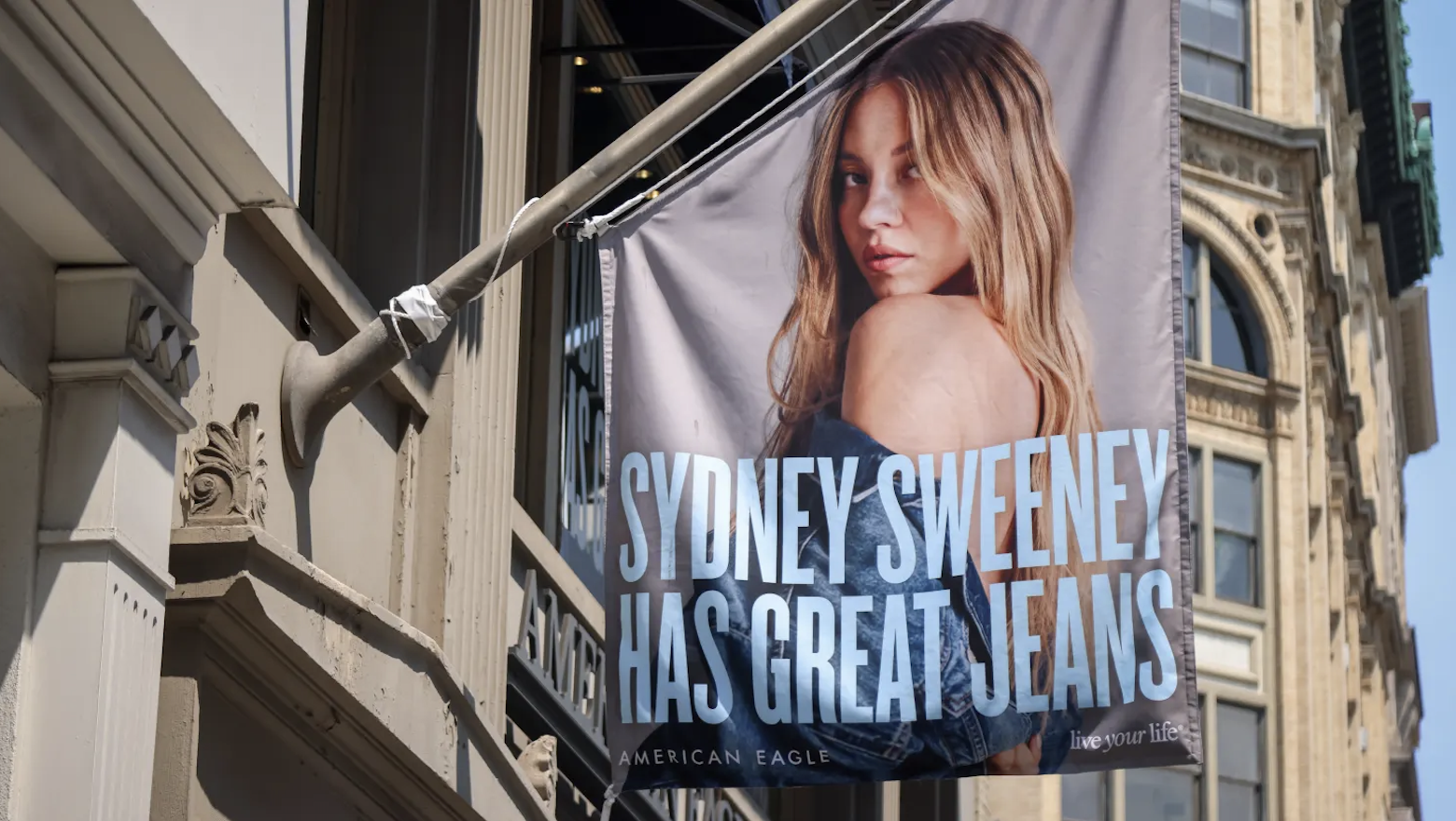
Okay, we know this has been beaten into the algorithm, chewed up by think pieces, and memed into oblivion… but we can’t just not talk about it. The American Eagle x Sydney Sweeney “Great Jeans” campaign might just be the most polarizing denim drop of the decade, and whether you loved it, hated it, or just quietly muted it, it’s a masterclass in how influencer marketing can ignite a full-blown culture war.
American Eagle set out to launch their biggest-ever, digital-first campaign with Sydney Sweeney as the star. According to the brand, the pun “Sydney Sweeney has great jeans” was meant to be cheeky, nostalgic, and Gen Z-friendly. On paper? A slam dunk for reach and relatability.
But the internet quickly split into two camps: those who saw a lighthearted denim pun, and those who saw something much darker. Critics accused the campaign of evoking eugenics-era messaging and prioritizing narrow beauty ideals, pointing to Sydney’s blonde, blue-eyed image as part of the problem. What likely started as playful wordplay spiraled into headlines about tone-deaf branding and even white supremacist undertones. Political commentators jumped in, amplifying the controversy far beyond fashion circles.
American Eagle doubled down on their original intent, stating, “It is and always was about the jeans,” and refused to wade into political waters. Ironically, the backlash may have fueled short-term wins; the stock initially jumped as much as 24% after the controversy peaked, but the brand is facing sluggish sales and worried investors behind the scenes.
The American Eagle x Sydney Sweeney campaign is a reminder that in today’s landscape, every message lives beyond the brand’s intent. What may feel cheeky or harmless in the boardroom can take on a very different meaning once filtered through culture, context, and the internet’s microscope. For marketers, the lesson isn’t that controversy “works”, it’s that brand storytelling now requires a 360° lens on representation, audience perception, and potential subtext. And because even the best-laid creative can land in unexpected ways, brands need a proactive plan for how to respond if the conversation veers off course. Influencer-led campaigns can spark massive cultural impact, but the ones that endure are those rooted in inclusive, thoughtful creative and backed by clear guardrails for managing fallout.
Case Study Feature: How Hill’s Pet Nutrition Boosted Add-to-Carts by 30% with Creator-Led Strategy
Hill’s Pet Nutrition partnered with AdParlor to drive awareness and sales for their senior pet food line through a social-first campaign featuring senior creators. By combining authentic, humorous creative content tailored to Reels and leveraging paid social across Meta, TikTok, Pinterest, and Reddit, the campaign connected deeply with pet parents. With strategic targeting and a full-funnel approach blending Traffic and Sales objectives, Hill’s saw a 30% increase in incremental add-to-cart events, alongside strong lifts in brand awareness and consideration. Proof that creator-driven, authentic content plus smart targeting = paw-some results.
Get the full case study here!
From the Desk of…
Welcome to “From the Desk Of” – a unique feature section where the talented minds at AdParlor share their insights, expertise, research, & experiences with our readers. We love a good dose of creativity, so you’ll see these topics change from month to month with a consistent focus on innovation, strategy, and creativity in the paid social industry.
How to Measure Influencer Marketing Success for Growth

In this edition, Cinthia Serna breaks down how to measure influencer marketing success. Because while likes and comments are fun, what really matters is growth and ROI. She walks you through the key metrics every marketer should be tracking, from reach and engagement to conversions, and shares best practices to make your campaigns truly count.
TL;DR: Influencer marketing isn’t just about racking up likes or followers; it’s about proving your investment drives actual growth. To do this, focus on key metrics like reach, engagement, and conversion-related data. Measuring success means ditching vanity metrics and tracking what moves the needle for your brand. Use platform insights and social listening tools to get clear, actionable data. And remember, the quality of engagement matters just as much as the quantity. Get savvy, track smart, and watch your influencer efforts pay off.
Read the full guide here