Influencer Marketing for Startups: A Comprehensive Guide

Struggling to make your startup stand out in a sea of noise? You’re not alone. As of 2025, approximately 5.24 billion people worldwide are active on social media, representing about 63.9% of the global population. With such a vast audience, startups face fierce competition when trying to capture attention and build brand trust quickly.

Here’s the good news: influencer marketing for startups isn’t just a trend – it’s a smart, scalable way to cut through the noise, even on a shoestring budget. By partnering with the right social media influencers, startups can tap into ready-made audiences, build credibility, and spark serious brand momentum.
In this guide, we’ll break down why influencer marketing works so well for startups, and we’ll arm you with 9 practical tips to build a successful influencer marketing strategy from the ground up. Whether you’re bootstrapping or VC-backed, this article will show you how to turn scrolls into sales. Let’s dig in 👇
Ready to level up your startup’s influencer marketing game? AdParlor can help you build standout influencer campaigns tailored for growth. Connect with our experts today and let’s get your brand noticed!
Table of Contents
The Importance of Influencer Marketing for Startups
9 Tips for Influencer Marketing for Startups
Boost Your Influencer Marketing Success with AdParlor
Is Influencer Marketing The Move For Startups?
The Importance of Influencer Marketing for Startups
Startups have a unique challenge: limited budgets paired with the urgent need for rapid growth. Influencer marketing for startups addresses these exact pain points by delivering impressive results without breaking the bank.
It’s Cost-Effective
Traditional marketing methods, like TV ads or billboards, can be pricey and too broad. And even more modern large-scale paid digital media campaigns can often be too costly for grassroots startups working on razor-thin margins. Influencer marketing, however, offers targeted reach at a much lower cost. Influencer Marketing Hub reports that businesses make an average return of $5.78 for every dollar spent on influencer marketing.
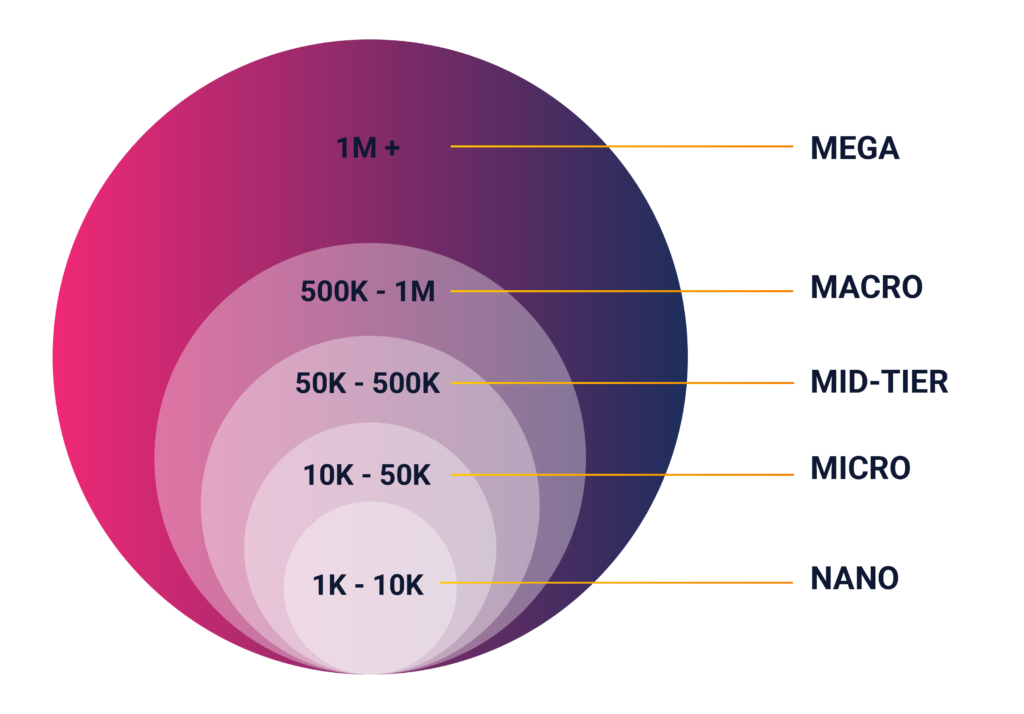
Don’t have the budget for major celebrity collabs? No problem! Micro-influencers, those with about 10,000 to 50,000 followers, tend to provide the best mix of high engagement at a more cost-conscious rate. In fact, a Later study found that micro-influencers produce an average engagement rate of 2% on Instagram while mid-tier and macro influencers see an average of 1.5% and 1.2% engagement rates for sponsored posts. This means startups can get the most exposure for their buck.
Builds Credibility and Trust
Consumers today are tired of feeling sold to and actively seek genuine recommendations before making purchasing decisions. Influencers—especially micro-influencers—establish authentic relationships with their followers, creating a sense of real connection and reliability. When making purchase decisions, 42% of Americans look for recommendations from relatable sources, according to a Nielsen Scarborough study. Combine that with another similar Nielsen 2021 study, which found that 71% of consumers trust opinions, product placements, and advertising from influencers. This kind of peer-to-peer trust translates directly into influencer marketing, especially when influencers have strong, personal relationships with their followers.
When startups team up with influencers who genuinely believe in their products, followers perceive the brand positively and naturally. This organic endorsement greatly enhances a startup’s credibility and reduces potential customer hesitation.
Expands Reach
Influencers already have engaged followers who trust them, making them ideal partners for startups looking for immediate exposure. Instead of slowly building a new customer base from scratch, startups can instantly tap into existing targeted, enthusiastic audiences.
For instance, a new wellness brand could partner with popular health-focused influencers on Instagram and TikTok. This partnership quickly puts the brand in front of active communities who are genuinely interested in wellness products, drastically shortening the path to recognition.
Accelerates Growth
Influencer campaigns can speed up brand awareness and directly boost sales. Take Warby Parker, a direct-to-consumer eyewear brand. Early in their journey, they teamed up with niche fashion bloggers and influencers. These strategic collaborations rapidly increased their visibility and played a key role in transforming them from a small startup into a widely recognized name.

Influencers amplify a startup’s message far beyond what organic reach can achieve alone, significantly speeding up the transition from awareness to actual sales.
Boosts Customer Engagement
Engagement isn’t only about likes and shares – it’s about sparking genuine conversations and building a sense of community. Influencers are naturally skilled at encouraging meaningful interactions with their followers through content like Q&A sessions, giveaways, and authentic behind-the-scenes glimpses.
For example, beauty brands often team up with influencers who create engaging content such as product tutorials, unboxing experiences, or live demos. These types of content invite followers to interact, ask questions, and share their own experiences, deepening their connection with the brand.
Ultimately, influencers help turn casual viewers into engaged, enthusiastic community members who truly care about your brand.
Influencer marketing isn’t just a passing trend – it’s a powerful strategy essential for startup growth. With proven benefits like affordability, credibility, increased reach, and meaningful engagement, thoughtful influencer collaborations can significantly boost your startup’s visibility and success.
9 Tips To Leverage Influencer Marketing For Your Startup
1. Focus on Niche Micro‑Influencers
Sure, million‑follower accounts look glitzy, but the real conversations happen in smaller circles. Enter micro‑influencers – creators with roughly 10,000 to 50,000 fans who chat with their audience like they’re swapping tips over coffee. Upfluence’s 2024 Instagram benchmark backs it up, stating that the micro-influencer bracket pulls around a 3.45% average engagement rate, with an average that decreases inversely to the following size. More genuine comments, DMs, and shares – exactly the kind of buzz a resource‑conscious startup needs.
Why it works
Micro‑influencers cultivate tight‑knit, niche communities. Their followers see them as friends, not billboards. When they rave about your product, it feels like a genuine tip, not an ad. That authenticity boosts trust and pushes your brand to the front of the conversation, crucial for any influencer marketing for startups playbook.
How to pick the right partners
- Match the mindset. Map your buyer persona, then look for creators whose content mirrors that lifestyle. A plant‑based snack brand? Hunt down vegan meal‑prep micro creators.
- Check the comments. Healthy threads full of real questions beat a wall of fire‑emoji spam. Engagement quality > quantity.
- Utilize research tools. Platforms like CreatorIQ allow you to streamline discovery and vetting in one place. The only downside? Bandwidth and expertise. That’s where we come in, but more on that later 😉
- Audit authenticity. Scroll back a month—do their posts feel consistent? Are followers legit (no bot avatars or copy‑paste replies)?
- Value fit over vanity. Five micro‑partners with 11 K rabid fans each can outperform one macro star with millions of passive scrollers.
Dialing in on niche creators sets the foundation for a high‑ROI startup influencer marketing strategy.
2. Build Genuine Influencer Relationships
One‑off shoutouts can spike traffic, but long‑term partnerships build brands. Think of your favorite barista who knows your order – same energy applies to influencer marketing strategy. When creators feel like insiders, they talk about you the way friends swap recommendations.
Take Glossier’s “Rep” ambassador program. Founder Emily Weiss credits a whopping 70% of online sales and traffic to peer‑to‑peer referrals fueled by these everyday advocates. That’s the power of sticking together.
Another great example of a brand that started small and grew with its ambassador program is BYLT Basics. While their current roster is stacked with household names, I’ve been a brand loyalist long enough to remember when they first launched their official ambassador program and worked with a number of smaller creators on a regular basis. To this day, their partners’ assets are used across a number of marketing assets, and the creators consistently share and advocate for the brand.

Tips to nurture lasting bonds
- Start personal. Skip the copy‑paste pitch. Reference a recent post or shared cause so they know you did your homework.
- Offer real value. Early access, product input sessions, revenue share—give partners skin in the game.
- Give creative freedom. Influencers know their crowd. Provide guardrails, not scripts. Authenticity equals successful influencer marketing.
- Check in, don’t check up. Schedule casual touch‑points (voice notes work great) instead of nickel‑and‑diming every metric.
- Celebrate wins publicly. Share their content, tag them, and shout out milestones. Community loves seeing credit given.
Over time, these relationship‑first moves turn creators into brand storytellers, not just hired spokespeople. That’s how you leverage influencer marketing for steady, compounding growth.
3. Allow Creative Freedom
Remember art class when the teacher said, “Paint what you feel”? The same rule applies to influencer marketing campaigns. Creators know how to talk to their tribe better than any brand brief ever could. When you hand them the brush, the content feels real, not rehearsed—and audiences can tell the difference.
A great example of this is our recent work with TP-Link, a major electronics and tech brand. The brand wanted to increase brand reach in the U.S. market and expand its presence on TikTok. To do this, our team partnered with a diverse set of 108 influencers, giving them to freedom to create relevant content that would be engaging to their specific niches. The result? A massive success with 6.9M organic video views and a plethora of creator-generated content that showcased TP-Link products across a variety of needs and scenarios. Read more on the strategy and outcome in the case study.
Practical guardrails, not shackles
- Share the “why.” Explain your mission and key product perks, then step back.
- Agree on no‑go zones. Clarify legal or brand‑safety limits up front to avoid last‑minute edits.
- Invite ideas early. Ask, “How would you weave this into your routine?” Their first instinct is often gold.
- Spot‑check, don’t shadow. Request a rough outline, not a full storyboard. Trust breeds better content.
Give creators room to create, and your brand message will land like friendly advice, not another ad in the feed.
4. Provide Exclusive Offers
Nothing nudges a scroll‑happy shopper into action like the phrase “use my code.” Exclusive discounts turn curiosity into clicks and give your startup hard numbers to track. The 2024 CreatorIQ Trends Report found that 82% of creators share discount codes or affiliate links for partner brands. In other words, codes are the norm—your audience expects them.
Why it works:
- Urgency + value. A limited‑time code (“STARTUP15”) feels like an insider hookup, sparking faster checkouts.
- Clear attribution. You’ll see exactly how many orders came from each influencer—no guesswork, especially when more mature attribution models haven’t been established yet in the startup phase.
Starter playbook
- Name it right. Use the creator’s handle in the code (e.g., KAYLA15). It’s easier to remember and reinforces authenticity.
- Stack the perks. Sweeten the deal—free shipping, bonus sample, or early‑access drop—to push conversions higher.
- Time‑box smartly. A 72‑hour window drives urgency without feeling spammy.
- Share feedback. Loop creators in on results so they feel invested and can fine‑tune future posts.
Leveraging exclusive offers turns influencer marketing for startups into a measurable revenue engine—no mega budget required.
5. Send Free Products to Get Honest Reviews
You can’t buy authenticity, but you can gift it. Product seeding (mailing samples with no strings attached) lets creators test your product in real life, then share unfiltered thoughts. According to Traackr’s 2023 Product Seeding Report, 92% of marketers said gifting boosted brand awareness. Not only that, 76% also saw a direct sales lift. Translation: freebies move the needle.
Best practices to nail it
- Personalize the package. Include a handwritten note explaining why you thought they’d love the product—human touches encourage genuine posts.
- Skip the script. Ask for honest feedback, not a glowing review. Audiences can smell staged endorsements a mile away.
- Make it easy to share. Add a concise product one‑sheet and a ready‑to‑use link or handle in case the creator decides to post.
- Respect “no.” If they don’t post, that’s fine—seeding is a gamble, but the authentic wins outweigh the quiet misses.
Product seeding is a low‑cost way for startups to spark word‑of‑mouth and gather feedback—proof that startup influencer marketing isn’t just about glossy ads; it’s about real‑world experience shared in real time.
6. Run Multi-Platform Campaigns
People swipe like they think, disjointed—Instagram over coffee, TikTok on the train, YouTube before bed. If your brand pops up in each of those moments, you stay top‑of‑mind without feeling pushy. Showing up everywhere also pays the bills: A 2024 Sprout Social study found that 87% of Gen Z consumers are more willing to buy from brands that partner with influencers across multiple channels and beyond social media platforms. The takeaway? Be creative with your creator partnerships. Yes, collaborate with them to create social media content, but also think about where else you could leverage their voice. Think IRL store events or pop-ups, CTV ads, repurposing their content on your website–the list goes on.
Quick playbook
- Pick a hero message. One core idea, many slices—short Reels tease a longer YouTube deep dive, while TikTok Live unboxes in real time.
- Reuse, don’t recycle. Tailor the same shoot for each feed’s native style: vertical cuts for TikTok, carousels for Instagram, longer edits for YouTube.
- Sync the drop. Launch all posts within a tight window (24–48 hours) so algorithms cross‑pollinate and audiences see the brand echo.
Example: A client in the retail space wanted to reimagine their store concepts and partnered with AdParlor to drive awareness for the localized store openings. To meet the objective, we collaborated with local influencers in key DMAs to create content for each opening, then amplified the creator content across TikTok, Facebook, and Instagram to maximize reach for our target audience in each market. Read more on that case study here!
Running cohesive, multi‑platform influencer campaigns makes your brand feel everywhere at once, without paying Super Bowl prices.
7. Experiment with Content Formats
Think about the last time you bought something because you saw a quick hack video, a funny unboxing, or a heartfelt review. Different content formats speak to different people. When you’re building your startup influencer marketing campaign, testing those formats can help you find your sweet spot.
Top formats to test
- Tutorials. People love learning something new. If your product solves a problem, let influencers create short how-to videos showing it in action.
- Product Unboxings. Unfiltered first impressions feel authentic, and authenticity drives trust.
- Giveaways. Offering followers a chance to win creates buzz and encourages sharing.
- Behind-the-Scenes. Day-in-the-life or “how it’s made” content makes your brand feel human.
- Q&A or AMA (Ask Me Anything). Influencers answering real follower questions live builds serious credibility.
- Before and After. Perfect for anything with a visual payoff—skincare, fitness, home decor.
For example, let’s say you’re the brand marketer for a new startup home smart tech brand and you’re trying to increase awareness and user adoption for a new voice-controlled light switch (is this already a thing? Brb, going to file a patent real quick). One way to solve both of these objectives is to partner with a set of influencers and ask them to create content showing the use cases for the product. One niche mom content creator might create a short Reel illustrating her juggling chores and rambunctious kiddos while trying to turn off the light, showcasing how easy it is. Another may be a home DIY enthusiast who creates a TikTok, showcasing how easy it is to install and begin using. Viewers see exactly how easy the setup is, solving the biggest adoption barrier: fear of complicated tech.
Trying out different content formats lets you meet your audience where they are—and figure out what makes them excited to engage. In startup influencer marketing, flexibility and creativity aren’t nice-to-haves—they’re your secret weapons.
8. Monitor Competitor Campaigns
Keeping an eye on rivals isn’t snooping—it’s a smart strategy. By tracking what similar startups and businesses in your vertical do with influencers, you can spot winning plays to borrow and missteps to avoid. To get started, we recommend performing a competitor influencer marketing audit to establish a baseline and monitor your competitors moving forward.
How to Perform A Competitor Influencer Marketing Audit (with Pro Tips)
1. Review competitors’ social media presence.
Peek at where your competitors are showing up—Instagram, TikTok, YouTube, LinkedIn—and how often they post influencer content.
🔥 Pro tip: Take screenshots and notes over 2–4 weeks to spot posting patterns (like always launching new collabs on Mondays or during product drops).
2. Discover which influencers they collaborate with.
Track down the creators they’re working with. Look for brand tags, campaign hashtags, or influencer disclosure labels like #ad and #sponsored.
🔥 Pro tip: Build a spreadsheet listing influencer handles, their follower counts, platform focus, and campaign hashtags for easy reference.
3. Analyze influencer metrics and partnership performance.
Don’t just note who they work with—dig into engagement rates (likes, comments, shares) and the vibe of the audience interactions.
🔥 Pro tip: Tools like Rival IQ or BuzzSumo can show you if those influencer posts actually performed well, or just looked busy.
4. Identify brand values being communicated.
Study the tone and themes competitors push through influencer content. Are they leaning into sustainability? Tech innovation? Accessibility?
🔥 Pro tip: Create a word cloud or jot down recurring keywords from captions to reveal hidden messaging trends.
5. Evaluate competitor audience demographics.
Look into who is actually engaging with their influencer content—age, gender, location, interests.
🔥 Pro tip: If they’re missing key audiences you care about (say, Gen Z for a startup app), that’s your opportunity to swoop in.
6. Summarize key takeaways and build your action plan.
List 2–3 things your competitors are nailing (so you can match or beat them) and 2–3 gaps you can exploit.
🔥 Pro tip: Prioritize action items like “partner with more nano-influencers on TikTok” or “highlight product sustainability more clearly” to keep your next campaign laser-focused.
9. Leverage Data-Driven Insights
Gut feelings are great for picking a lunch spot—not so much for planning your next influencer move. To really win with influencer marketing campaigns, you need cold, hard numbers to guide you.
Start by tracking the basics: engagement rates, click-throughs, conversions, and audience growth after each campaign. Tools like CreatorIQ can break down what’s working (and what’s just taking up space in the feed).
But don’t stop at surface metrics. Dig into audience demographics, content formats that sparked the most saves or shares, which influencers drove the most conversions, and which influencer discount codes performed best.
How do you get started? Tracking influencer marketing performance metrics can range from easy to sophisticated. Here are a few options to get you going:
- Manual Tracking. This involves consolidating data from all posts, website traffic, and sales reports. Manual tracking is low-cost but risky. One data entry mistake can throw off your results
- Analytics Tools. Platforms like Google Analytics and social media platform tracking is more automated. Attribution helps connect the dots between campaigns and results.
- Influencer Reports: Influencers provide post-campaign reports when other tools are not available. Collecting influencer reports is tedious, and that’s before you even analyze them.
Tracking the right data turns every campaign into a cheat sheet for the next one—and keeps your startup’s momentum compounding. Want a step-by-step on what metrics to track and how to measure influencer performance? Check out this detailed guide on 15 Influencer Marketing KPIs to Track in 2025!
Boost Your Influencer Marketing Success with AdParlor
Early-stage teams share the same three worries about influencer marketing: (1) “Will we pick the right creators?” (2) “Can we afford to test and learn?” (3) “How do we prove it worked?” AdParlor’s creator-marketing program was built to solve exactly those pain points with a mix of data science and hands-on support.
How AdParlor removes the guesswork
Real-time analytics & lift reporting: A live dashboard tracks clicks, conversions, and incremental revenue, so you can defend every dollar at the next investor update.
Sourcing & vetting – Our proprietary engine filters millions of profiles by audience fit, past-brand safety, and predicted performance, so you only talk to creators who can actually move the needle.
Custom strategy & brief design: We map campaign objectives (awareness, installs, sales) to content formats, channels, and KPIs—no one-size-fits-all playbooks.
In-house production support: Need vertical Reels, long-form YouTube how-tos, or UGC-style shorts? Our creative studio is built to support influencer content to ensure assets are on-brand and optimized to channel specs without stifling authenticity.
Paid media amplification: High-performing creator content is whitelisted and amplified across the appropriate channels to stretch reach without stretching budget.
FAQs
They’re Relevance, Reach, and Resonance.
Relevance checks that a creator’s content and audience match your brand.
Reach is the size of the audience you can access through that creator.
Resonance measures how deeply their followers interact with sponsored posts—think saves, shares, comments, and genuine discussion. Learn more at: Sprout Social
Prices can vary by a number of factors, but a general guideline starts with looking at follower count. Read more on influencer pricing here!
Nano-Influencers (1,000 – 10,000 followers): Cost per post range: ~$10 – $500
Micro-Influencers (10,000 – 50,000 followers): Cost per post range: ~$500 – $5,000
Mid-Tier Influencers (50,000 – 500,000 followers): Cost per post range: ~$5,000 – $15,000
Macro-Influencers (500,000 – 1 million followers): Cost per post range: ~$10,000 – $30,000
Mega-Influencers (1 million+ followers): Cost per post range: Starts around $20,000+
💡 Pro tip: Prices also vary by platform, content type (static vs. video), and whether you include usage rights, exclusivity, or paid media amplification.
Yes – done right, it delivers targeted full-funnel results for far less than traditional advertising. Micro-influencers, in particular, offer high engagement on a lean budget, letting startups validate ideas, gather user feedback, and drive first sales without blowing their runway.
Focus on niche micro-influencers, build long-term relationships, give creators creative freedom, sweeten offers with exclusive discount codes, seed products for honest reviews, run multi-platform bursts, test varied content formats, watch competitor moves, and-always-track data to refine the next round.
Start with your customer persona: what hashtags do they follow, which accounts do they trust? Use discovery tools (e.g., CreatorIQ, Upfluence) to filter by topic, audience overlap, and engagement rate. Then vet manually—scroll comments for real conversations, check past brand partnerships, and aim for creators with an engagement rate above 1.5 %. Finally, reach out with a personal note that shows you’ve done your homework and explains why your product genuinely fits their audience.
Is Influencer Marketing The Move For Startups?
In the end, influencer marketing can be a game changer for lean startups when you pick niche relevant creators, build real relationships, let them create, sweeten with offers, seed products, go multi-platform, test formats, monitor rivals, and track the data. Simple right?? Do that and you turn scrolls into sales without torching your budget.
If you’d rather skip the trial-and-error, AdParlor’s creator team can handle the heavy lifting – from smart sourcing to paid amplification and measurement – so you can stay focused on building your product and brand. Chat with AdParlor’s experts today to take your startup to the stratosphere 🚀