AdParlor Newsletter: Edition #15

Hey creators, marketers, and media maniacs,
The campaigns are louder, the platforms are smarter, and the influencer space? It’s evolving faster than your “For You” page. 👀
At AdParlor, we’re always in your corner with the insights you actually need: whether you’re testing new formats, scaling creator-led performance, or just trying to make sense of this week’s algorithm shift. We’ve got real takes, not recycled tweets.
In this edition, we’re spotlighting the game-changers shaping the creator economy: the launch of the Congressional Creators Caucus, our keynote at DigiMarCon NYC, the new realities of Search in 2026, plus fresh creator economy trends you can’t afford to miss. So grab a snack, mute those notifications, and get ready to level up your marketing game.
We brought the goods. You just have to tap in. 💥
~ The Editors
In this edition, you’ll find:
- Creator Economy Trends You NEED to Know
- Event & Podcast Recs
- Creator Spotlight: 2025 Pride Campaigns
- Zia’s Paid Media Playbook
- Case Study: How QVC Achieved 4X ROI with a Full-Funnel TikTok Strategy
- Influencer Marketing for Small Businesses: Guide for 2025
P.S. Was this sent to you? Sign up for our Newsletter HERE
Creator Economy Trends You Need to Know
The creator world moves fast – blink and you might miss the next big thing. From AI-generated influencers to platform shakeups, we’re serving up the juiciest trends you need to know to stay ahead of the game.
MrBeast Pulls the Plug on AI Thumbnail Maker
MrBeast, YouTube’s biggest star with over 385 million subscribers, recently removed an AI-powered thumbnail generator from his analytics platform, Viewstats, after facing strong criticism from fellow creators. The tool, launched just last week, aimed to help smaller creators design eye-catching thumbnails by automating the process – an important factor for attracting viewers in a crowded content landscape.
Priced at $80 per month, the AI tool allowed users to insert themselves into existing thumbnails or mimic popular creators’ designs. However, the tool quickly drew backlash because it was reportedly trained on thousands of creators’ thumbnails without their permission. YouTubers like PointCrow and Jacksepticeye accused the AI of “stealing” their hard work, sparking a debate over AI ethics and creative ownership.
In response, MrBeast admitted he “missed the mark” and said he would replace the tool with links to human artists for commissions. He emphasized his commitment to the YouTube community, writing on X, “I care more than any of you could ever imagine about the YouTube community.” His goal was to provide helpful tools for creators, but he acknowledged the concerns and took swift action to address them.
This controversy highlights the growing tension in the creator economy around AI’s role in content creation. While AI offers exciting opportunities for efficiency and creativity, it also raises important questions about respect, originality, and fair compensation for creators’ work.
For brands and marketers, the lesson is clear: technology can enhance creator partnerships, but authenticity and honoring creative ownership remain essential for long-term success.
Congress Takes Notice: The New Creator Economy Caucus
Big moves are happening on Capitol Hill as Representatives Yvette Clarke (D-NY) and Beth Van Duyne (R-TX) launched the bipartisan Congressional Creators Caucus: a fresh effort to support and advocate for the rapidly growing creator economy. What once seemed like a fringe hustle is now a bona fide business sector. Oxford Economics estimates that YouTube’s ecosystem alone supported over 390,000 full-time jobs in 2022, and Goldman Sachs projects the creator economy could hit a staggering $500 billion by 2027.
But here’s the catch: the U.S. government has barely caught up. Regulatory frameworks, tax policies, and business protections aren’t yet tailored to the unique realities creators face. That’s where the Caucus steps in: pushing for resources, clarity, and policies that recognize creators as serious small business owners.
Digital creators Matthew and Stephanie Patrick (aka MatPat), who’ve been lobbying for over a year, emphasize the importance of educating lawmakers. They highlight the confusion creators face even when filing taxes, with no clear “creator business” designation on official forms. And the creator economy isn’t just a coastal phenomenon; successful creators and media studios thrive across the U.S., from North Carolina to Indiana.
Backing the Caucus are heavy hitters like Patreon and YouTube, both calling for better protections like insurance access, disaster relief, and fair financial services. Patreon’s Courtney Duffy sums it up: creators are small business owners, cultural tastemakers, and employers who deserve a seat at the policy table.
For brands and marketers, this means the creator economy is entering a new chapter: one with more structure, more recognition, and more opportunities for meaningful growth and partnership.
Hype List: Must-Attend Events & Pod Recs
Skip the FOMO, here’s your VIP pass to the hottest creator marketing events and binge-worthy podcasts. Whether it’s an IRL conference or a listen-on-2x-speed kind of day, we got you.
This list was independently curated by our Editors for this edition of AdParlor’s Newsletter; we’re not sponsored by any feature.
We hit the stage at DigiMarCon NYC this week! Keep your eyes peeled for Kristina’s keynote on building a performance-driven creator engine. Trust us, you’ll want to take notes.
The Influencer Revolution: Audiences, Algorithms, and Actions that Matter
WHEN: ON DEMAND
Everything you need to sharpen your influencer marketing strategy for 2025, straight from industry leaders Hootsuite and Upfluence.
The State of Influencer Marketing 2025: Benchmarks, Insights, and Trends
WHEN: ON DEMAND
Get to know the latest influencer marketing benchmarks and trends, as well as the most popular topics on Instagram, YouTube, and TikTok from the State of Influencer Marketing report by HypeAuditor. Businesses are constantly challenged to keep up with the continuous development of social media platforms, shifts in user behavior, and new influencer marketing trends.
The Data-Driven Approach to Influencer Marketing
WHEN: ON DEMAND
Learn how to harness social audience data, listening tools, and influencer platforms (whether used individually or in combination) to maximize performance. Discover strategies for optimizing current and future partnerships, explore tools to track real impact, and see how third-party attribution can measure true sales outcomes, complete with a real-world use case.
Ethics of Influencer Marketing in 2025
WHEN: ON DEMAND
Influencer marketing is booming, but in an age of heightened consumer scrutiny, how do you balance impact with integrity? Garett Senez (VP Marketing/Partner, QuarkBaby) and Lyndsie Wise (Sr. Director, Product Marketing, illumin) unravel the ethical dilemmas reshaping the industry.
Creator Spotlight: Our Favorite Influencer Campaign This Month
Every June, brands roll out their rainbow merch and splashy campaigns, but in 2025, the public called out performative allyship louder than ever. With political tensions running high and consumer expectations even higher, only a few brands managed to break through the noise. The secret? Real partnerships with queer creators, stories that mattered, and action that extended beyond a calendar month. Here are three influencer-driven Pride campaigns that didn’t just slap a rainbow on it: they got it right.
1. It Gets Better Project: Digital Pride on Twitch
In a year when many brands scaled back public Pride celebrations, It Gets Better went fully digital and fully global. Their month-long Twitch campaign featured queer creators, charity streams, gaming marathons, and interactive panels. Influencers like Fruities, HeyyKrista, and CaidyVacay hosted livestreams that raised funds while centering queer voices in gaming and entertainment.
What made it work? The platform choice. By leaning into Twitch, It Gets Better reached Gen Z and younger millennial audiences right where they are. The campaign wasn’t just performative; it was participatory, combining activism with community, and creating safe, celebratory virtual spaces at a time when many IRL Pride events faced logistical or political pushback.

2. MAC Cosmetics: Viva Glam x Kim Petras
This one had it all: glam, visibility, and real dollars behind the message. MAC partnered with trans pop star Kim Petras to co-create Viva Kimmitment, a limited-edition red Lipglass. As always with Viva Glam, 100% of proceeds went to LGBTQ+ organizations like The Trevor Project and It Gets Better, with an additional $1 million pledged by MAC for 2025.
Kim Petras brought star power and authenticity to the campaign, not just as a face but as a creative force. The campaign wasn’t shy about celebrating queerness, trans pride, and joy, and because MAC has a long-documented history of giving back (over $520 million raised through Viva Glam), this felt less like rainbow capitalism and more like true allyship in action.

3. Converse: “Proud to Be” Reimagined
Converse returned for its 11th annual Pride collection with more than just bold designs; it brought stories. The 2025 “Proud To Be” campaign invited LGBTQIA+ artists and longtime collaborators to write love letters to their future queer selves, spotlighting resilience, growth, and joy. Alongside these stories came flame-printed and animal-patterned Chucks, knee-high platforms, and customizable features that let wearers turn their shoes into personal Pride statements.
What made it work? The storytelling. By weaving heartfelt narratives into every part of the campaign, from creative assets to social captions, Converse went beyond product drops to center lived experience. Their $3.4 million in ongoing support to organizations like It Gets Better backed up the message with meaningful impact, showing that Pride can be stylish and substantive.

So what’s the takeaway for brands in 2025 and beyond? Skip the rainbow-washing and start listening to your creators. Authenticity, community, and action are more than buzzwords – they’re the baseline.
Zia’s Paid Social Playbook
Zia’s got the keys to the paid social kingdom. This is where influencer marketing meets cold, hard performance data. If you’re not amplifying your creator content the right way, you’re just leaving money on the table.
Things to keep an eye out for:
It was hard enough for us marketers to decide which platform or combination of platforms to use to increase our ROI and to achieve our goals. And now with all these amazing changes that each platform frequently introduces, it’s even more difficult to keep track. A few noteworthy recent platform updates include:
- Microsoft Ads (Bing) has revamped its ad policy compliance strategy. In the past, if any single element of the ad didn’t meet the ad policy, the whole ad would be disapproved. Now, the platform reviews each individual ad asset (i.e., headline, description, and images) and only disapproves of the asset not in compliance
- AP POV: This is a huge relief for advertisers, as it’s now easy to troubleshoot the ad and correct the rejected asset. It also means that if enough assets are approved, then the ad would be live, thus minimizing performance loss
- Google Ads has simplified the broad match A/B testing, which has historically been a tedious process. With the new A/B testing framework, advertisers can set up a test within a single campaign, provided they have opted for Smart Bidding.
- AP POV: Google is continuing its push to simplify campaign management for advertisers. With this latest update, there’s no longer a need to create duplicate campaigns for A/B testing. Now, any changes or optimizations made at the campaign level automatically apply to both test groups. That said, there are a few caveats: this feature isn’t available if the campaign is part of a bidding portfolio or if the advertiser isn’t using Smart Bidding.
- AP POV: Google is continuing its push to simplify campaign management for advertisers. With this latest update, there’s no longer a need to create duplicate campaigns for A/B testing. Now, any changes or optimizations made at the campaign level automatically apply to both test groups. That said, there are a few caveats: this feature isn’t available if the campaign is part of a bidding portfolio or if the advertiser isn’t using Smart Bidding.
- TikTok Ads introduced two new ad placement controls, where the advertiser can exclude specific video IDs or profile pages from serving next to your brand’s paid ad.
- AP POV: As brands are becoming more conscious of where and how they appear on these social media platforms, this new feature gives brands more confidence on the platform, as it adds another layer of customization for sensitive placements.
The new realities of search: Redefining marketing strategies for 2026
If you haven’t started planning for Q4 2025 yet, you’re already behind. Now’s the time to look ahead and rethink your brand’s marketing strategy for 2026. The consumer discovery journey has officially moved beyond the Big Two: Google and Meta. Gone are the days when people simply typed a question into Google and clicked the first link.
Today’s consumer wants a personalized, relevant experience, and their discovery path is fragmented and deeply social. It might start with a Reel or TikTok from a creator they trust, continue with a deep dive on Reddit, and end with a query on ChatGPT.
AP POV: In a world where hyper-personalized answers are just a click away, brands need to meet consumers on a deeper, more human level. That might mean building more authentic UGC, sending personalized emails, or tailoring creative to fit the platform and the person. Marketing is no longer just about delivering information; it’s about delivering cultural value.
The brands that win in 2026 will be the ones showing up meaningfully, wherever their audience is, with content that feels relevant, real, and right on time.
Case Study Feature: How QVC Achieved 4X ROI with a Full-Funnel TikTok Strategy
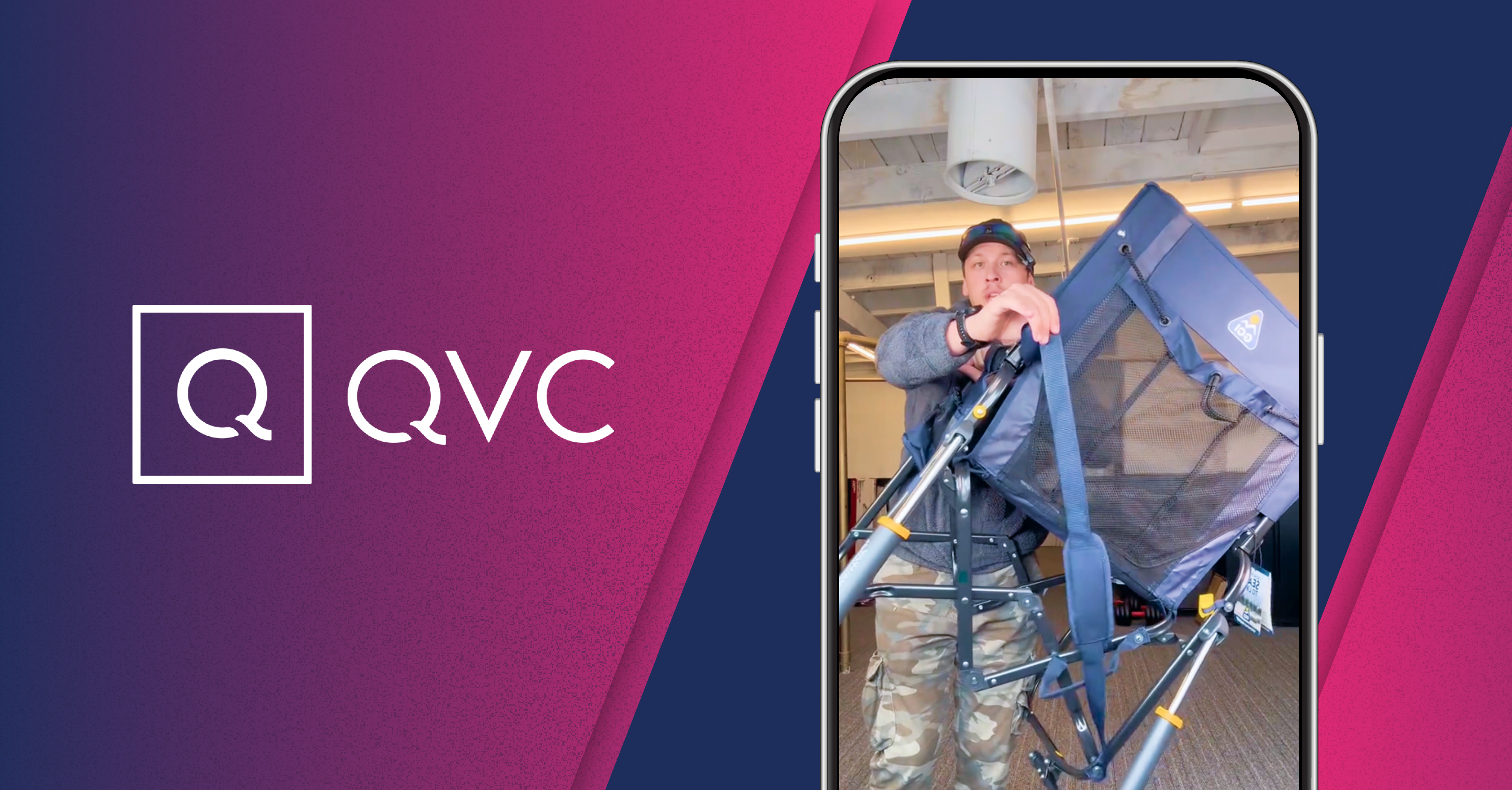
QVC teamed up with AdParlor to supercharge awareness and drive real results on TikTok Shop. By leveraging the GMV Max product alongside Reach, Shop, and TikTok Live, the campaign delivered tailored creative, bold media investment, and seamless shopping experiences that scaled performance across the funnel.
The result? A 4X return, 1653% increase in awareness, and 102% boost in high-intent customers. Proof that smart creative + strategic spend = full-funnel magic.
Get the full case study here!
From the Desk of…
Welcome to “From the Desk Of” – a unique feature section where the talented minds at AdParlor share their insights, expertise, research, & experiences with our readers. We love a good dose of creativity, so you’ll see these topics change from month to month with a consistent focus on innovation, strategy, and creativity in the paid social industry.

In this edition, Chase Fortune breaks down how small businesses can punch above their weight with influencer marketing, no mega budget required. From smart creator partnerships to performance tactics that scale, this guide is your cheat sheet to doing more with less.
TL;DR: Think influencer marketing is only for the big brands? Think again. This guide breaks down how small businesses can win big with the right creators, without blowing the budget. From finding micro and nano influencers to running cost-effective campaigns and measuring success, we’ve got tips, strategies, and real-world examples to help you grow. Whether you’re launching a product, driving traffic, or just trying to build buzz, this is your playbook for creator marketing that actually converts.
Read the full guide here!