AdParlor Newsletter: Edition #17
Boo!
Our fall edition has risen from the inbox grave! 👻 The creator economy is serving full-on spooky season energy, and we’ve packed this one with more treats than tricks.
Inside, we’re breaking down the latest trends shaking up the space (because blink and you’ll miss another platform plot twist), the podcasts you need in your queue, and TikTok’s all-out TikTok-tober takeover – a 31-day creator carnival turning Halloween into a content goldmine. We’re also diving into how one mobile game dev cast a growth spell using creators to boost installs by 57%, plus sharing our tips on balancing paid and organic social so your brand magic hits both reach and resonance.
So light your fall candle, cue up your fav eerie playlist, and let’s conjure some serious Q4 marketing mojo together. 🎃✨
~ The Editors
P.S. Was this sent to you? Sign up for our Newsletter HERE.
In this edition, you’ll find:
- Creator Economy Trends You NEED to Know
- Event & Podcast Recs
- TikTok-tober: TikTok’s 31-Day Creator Takeover
- How a Mobile Game Dev Boosted Installs 57% with Creators
- Paid vs Organic Social: Creating a Balance for Businesses
Creator Economy Trends You Need to Know
The creator world never chills, and neither should you. From AI “influencers” that have audiences side-eyeing, to YouTube turning content into checkout buttons, here’s what’s making waves across the creator economy this month.
Consumers Still Don’t Trust AI Influencers (Yet)
The robots might be coming for our jobs, but not our followers. Telecommunications giant Vodafone recently tested an ad campaign led by a fully AI-generated influencer – and while it made headlines, it didn’t exactly win hearts. According to eMarketer, only 23% of adults globally say they’re likely to consume content from AI influencers, while nearly 45% say they don’t trust them at all. In the US, 47% of adults are very unlikely to follow an AI creator, and 58% say they wouldn’t engage with one, no matter how realistic the content looks.
What this means:
Consumers still crave authenticity, not algorithmic perfection. The real value of influencer marketing lies in the human connection, something no AI can replicate (yet). For brands, the smarter move is using AI behind the scenes to scale creative testing, personalize campaigns, or ideate content, while letting real creators tell the story. TL;DR: AI can power your ad ops, but only humans can power your influence.
Google’s Demand Gen Updates Could Redefine Creator-Driven Ads
Google just rolled out major updates to its Demand Gen campaigns, aiming to squash advertiser skepticism and make the tool a real contender to Performance Max. New features include Conversion Lift testing at lower volumes, omnichannel smart bidding that connects online and offline results, and fresh reporting dashboards that show performance next to paid social.
Why it matters for the creator economy:
More transparency and data control could make creator-driven ads even more measurable – music to any marketer’s ears. With AI-powered creative optimization baked into Demand Gen, brands can now test UGC, influencer videos, and branded content across Google surfaces with clearer attribution. In other words: your favorite creator’s content could soon be fueling your top-performing Google Ads campaign.
The big picture:
As advertisers push for ROI and clarity, Google’s move signals that the future of performance marketing is creator-powered and AI-enhanced. Expect more brands to mix influencer content directly into their media buys, bridging the gap between creative storytelling and performance data.
YouTube Is Turning Views Into Checkouts
YouTube is officially going full eCommerce mode. The platform just dropped new shopping features across both long-form and Shorts, including AI product tagging, dynamic brand segments, and creator-linked shopping buttons. With 91% of Gen Z teens watching YouTube and 66% specifically on Shorts, the platform is betting big on creator commerce
And it’s working. 67% of teens say YouTube is where they saw an ad for something they asked their parents to buy (compared to ~50% on TikTok, Facebook, and Instagram). YouTube’s new features will soon let creators tag products automatically in their videos, swap out brand partners in older content, and drive direct clicks to purchase pages.
What this means:
Creators aren’t just driving awareness anymore, they’re driving conversions. For marketers, this is a golden opportunity to merge influencer marketing with shoppable content. Imagine a beauty creator tagging your product mid-tutorial or a tech reviewer updating links post-launch – all without re-uploading. As YouTube leans harder into commerce, the creator economy becomes the checkout lane.
Hype List: Must-Attend Events & Pod Recs
Skip the FOMO, here’s your VIP pass to the hottest creator marketing events and binge-worthy podcasts. Whether it’s an IRL conference or a listen-on-2x-speed kind of day, we’ve got you.
This list was independently curated by our Editors for this edition of AdParlor’s Newsletter; we’re not sponsored by any feature.
How AdParlor Turned Market Challenges Into Strategic Advantage
WHEN: ON DEMAND
If you’ve ever wondered how to actually stand out in a sea of agencies all saying the same thing, this one’s for you. In this episode of the Social Pulse Podcast, our very own Kristina Coughlin, General Manager at AdParlor, sits down with host Mike Allton to talk about what it really takes to pull off a bold business transformation. Kristina spills how she led AdParlor’s business pivot from a legacy in paid media to a creator-first marketing agency – and how tuning into market signals early can turn challenges into growth opportunities. It’s a must-listen for agency leaders ready to evolve, differentiate, and thrive in 2026.
How to Enter New Markets with Influencer Marketing
WHEN: ON DEMAND
In this webinar, Piia Õunpuu, Global Influencer Marketing Manager, breaks down exactly how to use influencer marketing to successfully enter new markets. You’ll learn how to find the right local creators, navigate cultural nuances, and build authentic connections that actually drive results. Whether you’re expanding into your first new region or scaling worldwide, this session is packed with practical tips to make your global growth strategy influence-first.
5 Trends Defining the Creator Economy in 2026
WHEN: ON DEMAND
This episode of “Influencer Marketing Talks” dives into the five biggest shifts shaping 2026 and what they mean for brands who want to stay ahead, not play catch-up. From the rise of sonic branding to community-led growth, you’ll hear how top marketers are moving from “data-first” to “creator-first” strategies and turning cultural moments into long-term impact. If you’re serious about building a brand that wins in the new era of influence, this episode is basically your 2026 survival guide.
Pssst… 👀 Need to launch a creator campaign yesterday?
Grab our FREE 14-Day Influencer Launch Plan and go live before the holiday rush. 🎁 Get It Here!
TikTok-tober: How TikTok Turned Halloween Into a 31-Day Creator Playground
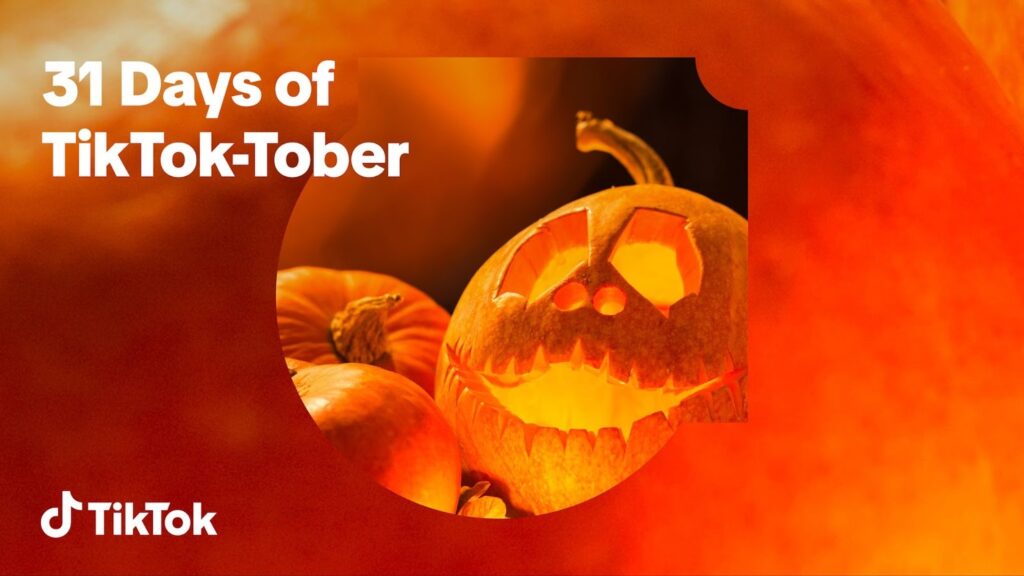
At this point, Halloween isn’t just a holiday; it’s a content genre. And no one knows that better than TikTok. This year, the platform decided to turn spooky season into a full-month creator takeover with “TikTok-tober”, a 31-day celebration designed to keep creators (and brands) posting, participating, and absolutely thriving in all things eerie.
Running throughout all of October, TikTok-ober is a global platform initiative featuring daily creative prompts, trend spotlights, and community challenges across categories such as beauty, food, fashion, gaming, pets, and DIY. Think of it as a Halloween advent calendar for creators, with a new way to summon engagement every single day.
TikTok’s play here is twofold: one part trend incubation lab, one part brand activation engine. By curating official themes (such as #TrickOrTrend, #TreatYourself, or #WitchTok), TikTok provides creators with a roadmap for consistent, culturally relevant posting. For brands, it’s a chance to slide into the conversation without forcing it. Halloween candy launches, costume collabs, and haunted-house experiences can all find a natural home here – because the audience is already primed for play.
And while TikTok’s no stranger to seasonal activations, TikTok-tober feels like its most intentional fusion of community, creativity, and commerce yet. The platform is spotlighting small businesses and creators who use Halloween to drive sales – from indie candle makers to costume designers – with new tools that make it easier to shop directly from creator videos. It’s a smart move in a year when 78% of TikTok shoppers discover products through influencers, and when “community-led discovery” is fast replacing traditional ads as the heartbeat of social commerce.
More importantly, TikTok-tober shows how TikTok continues to blur the line between content and campaign. The platform isn’t just handing creators a hashtag; it’s engineering a full ecosystem where storytelling meets selling. Every creator, from makeup artists transforming into demons to pet owners dressing up their golden retrievers as ghosts, contributes to a shared cultural moment that feels organic, not branded, even though it’s quietly fueling commerce.
The takeaway for marketers? TikTok-tober is a blueprint for how platforms can co-create culture alongside creators instead of chasing it. By anchoring engagement around creativity (not ads), TikTok reinforces itself as the ultimate brand-discovery engine. For brands, the opportunity lies in participation, not control. The best Halloween campaigns this year won’t come from perfectly polished brand spots, but from creators who make the magic feel real, shareable, and slightly unhinged (in the best way).
So, if your Q4 brief doesn’t have a TikTok strategy attached to it yet… maybe it’s time to join the coven.
Case Study Feature: How A Mobile Game Developer Drove 57% Increase in App Installs Using Creators
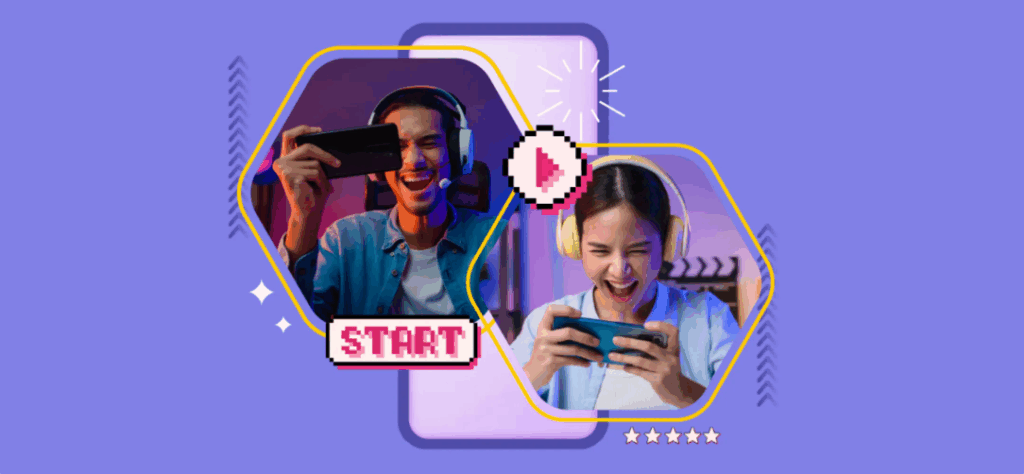
A major mobile game developer teamed up with AdParlor to level up user acquisition with a creator-powered performance campaign. The goal? Scalable growth, high-quality players, and a CAC that stayed well below target. By activating vetted creators on Instagram, AdParlor built multi-part Story sequences that showcased key app features, encouraged installs, and drove in-app purchases with clear, conversion-focused CTAs. Every creator was guided through a streamlined onboarding process to ensure consistent messaging and brand safety, while test flights helped optimize performance in real time.
The result? Crushed KPIs. Creator content delivered over 6,800 installs, 1,200+ new paying users, and a 57% quarter-over-quarter lift in installs, all while achieving a 36% lower CAC than benchmark. With average reach topping 500K views per post, this campaign proved that creator-driven storytelling isn’t just great for awareness – it’s a high-score move for performance marketing.
Get the full case study here!
From the Desk of…
Welcome to “From the Desk Of” – a unique feature section where the talented minds at AdParlor share their insights, expertise, research, & experiences with our readers. We love a good dose of creativity, so you’ll see these topics change from month to month with a consistent focus on innovation, strategy, and creativity in the paid social industry.
How to Measure Influencer Marketing Success for Growth
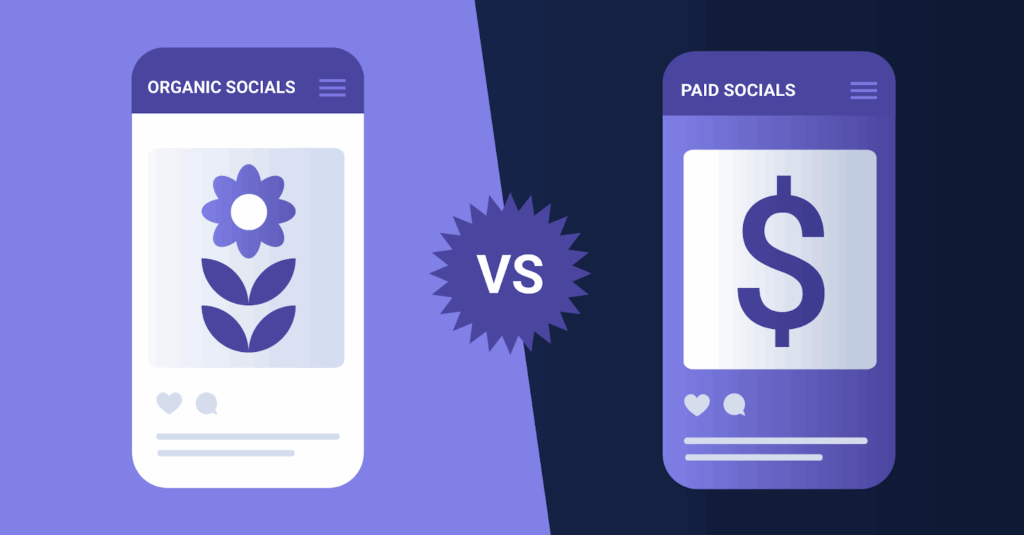
In this edition, Theo Zyla dives into one of marketing’s biggest modern challenges: finding the sweet spot between paid and organic social. Because while paid ads fuel reach and conversions, organic content builds trust, loyalty, and long-term community – and brands need both to thrive. She breaks down how businesses can strategically combine the two to drive measurable growth, complete with real-world examples, tactical tips, and key metrics to track across platforms.
TL;DR: In 2025 and beyond, social success isn’t about choosing sides; it’s about integration. Paid social brings precision, scale, and data; organic content brings authenticity, connection, and credibility. The smartest brands use paid media to amplify what’s already working organically and organic to give paid content staying power. Balance them right, and you’ll have a social strategy that’s efficient, sustainable, and built to convert.
Read the full article here!