How to Use B2B Influencer Marketing for Brand Growth
B2B influencer marketing isn’t just a trend; it’s about partnering with respected industry experts who can help you win over decision-makers, boost credibility, and fill your pipeline with the right leads. Done well, it shortens sales cycles, sparks authentic conversations, and positions your brand as a thought leader.
In this article, we’ll walk through the entire process, from start to finish. Share our red flags. And answer our most common B2B influencer marketing FAQs.
Nail the process, and B2B influencer marketing can be one of your most powerful growth plays. Are you ready for it?
Need help running your B2B Influencer marketing? Partner with AdParlor and let our team of experts get your program kicked off. Let’s connect! add any remaining copy here.
Contents:
What is B2B Influencer Marketing?
Benefits of B2B Influencer Marketing
How to Run Successful B2B Influencer Marketing Campaigns
Common B2B Influencer Marketing Pitfalls You Should Avoid
What is B2B Influencer Marketing?
B2B influencer marketing is when businesses partner with industry leaders to promote their brand. Credibility takes center stage in the B2B sector. These influential figures cater to that hard-to-reach professional audience. A good B2B influencer marketing strategy impacts purchasing decisions by demonstrating value.
That can be a tall order, so brands must find the right partnerships. B2B influencers are the subject matter experts (SMEs). They’re thought leaders in their respective fields, compelling content creators, and community builders. In short, they’re a triple threat: experts, creators, and connectors.
B2B influencer marketing can run the gamut, from webinars and podcasts to social media posts. Today, let’s hone in on B2B influencer marketing on social platforms.
While LinkedIn may be the first platform you think of for B2B influencer marketing, don’t be afraid to think outside the box. B2B influencers can be anywhere! Think YouTube creators, webinars, guest blog posts, podcasts, and even Instagram. This is where one of our favorite B2B influencer marketing campaigns came to life. Scribe partnered with creators, including Cruz Corral to build brand credibility and connect with target audiences. Influencers demonstrated how Scribe makes documentation and onboarding a breeze.

Benefits of B2B Influencer Marketing
Influencer marketing is having a moment. Though much of the buzz focuses on consumer brands, that doesn’t mean B2B companies cannot get in on the action. 81% of B2B companies have a dedicated budget for influencer marketing. Most of these companies plan to increase this investment in the coming year. So, why is it important?
Here are our top six benefits of B2B influencer marketing.
Builds Trust With Decision-Makers
It’s one thing for a brand to tout its capabilities. It’s quite another when someone in your position sees the value. That’s a game-changer. Influencers showcase features that improve workflows or help them work smarter, not harder. Who are you going to trust more? A company trying to sell you yet another widget? Or an industry expert? We rest our case.
Shortens the B2B Sales Cycle
The B2B sales journey is notoriously long. A single sale can have touchpoints stretching across months or even quarters. Influencers can help get your foot in the door. You’re no longer an unknown entity; you have brand credibility. Goodbye, cold outreach. Meet your warmed-up prospects instead.
Having a baseline familiarity can shave weeks off the sales cycle.
Creates Authentic Content
Consider this popular Einstein quote: “If you can’t explain it simply, you don’t know it well enough.” When partnering with B2B influencers, you’re working with experts in your specific industry. They’ll create authentic content that explains the real-world value without the corporate jargon. Even better, they’ll likely be just as excited to work with you as you are to work with them. This mutual respect, paired with their passion for your product, is the real deal. Expect engaging content to follow.
Improves Thought Leadership
Influencer partnerships don’t just boost your visibility; they elevate your brand. When influential figures speak on your behalf, you become part of their narrative. Their credibility creates a halo effect and, over time, positions your brand as a thought leader as well. According to Edelman, 75% of B2B leaders research products after engaging with thought leadership content.
We recommend prioritizing ongoing collaboration to deepen your long-term relationships with influencers. This continued presence will signal to the marketing that you’re not just another vendor, but a trusted voice in the space.
Increases Social Media Reach
Utilize the influencer’s reach and professional network to engage with new audiences.
One of the most underrated benefits of B2B influencer marketing is meaningful visibility. A well-placed LinkedIn post can put your brand in front of real decision-makers. This is a boon as it can be hard to target these niche audiences on social media. Going the organic route can yield better results compared with paid ads alone.
Drives Qualified Leads
When potential customers already trust the influencer, securing buy-in and genuine interest is easier. This can kickstart your inbound lead generation. They’ve seen how your product or service solves a business need; now they want to learn more. While it could be as simple as getting the prospects to your site, consider taking it to the next level. Offer downloadable white papers or allow these users to request a demo.
How to Run Successful B2B Influencer Marketing Campaigns
B2B influencer marketing is becoming a staple in revenue-driving strategies. Done right, these collaborations can position your brand as a trusted authority, expand your reach to high-value audiences, and accelerate pipeline growth.
Below is a step-by-step playbook for running B2B influencer campaigns that actually drive measurable results.
1. Set Clear Goals and KPIs
Let’s start at the beginning. A successful B2B influencer marketing campaign begins with aligning on goals and choosing the right KPIs. Without clear goals, you can’t measure success or justify your budget to leadership. Keep in mind, these KPIs should be attainable based on your goal. For instance, if your goal is to raise awareness, you may be disappointed if you’re expecting sign-ups.
Here are some common goals and suggestions for coordinating KPIs
- Brand awareness → reach, impressions, share of voice
- Lead generation → MQL count, webinar sign-ups
- Pipeline acceleration → influenced opportunities, closed-won deals
When it comes to KPIs, less is more. KPI stands for Key Performance Indicator… emphasis on KEY. Start with 2-3 KPIs per goal and rank them in order of importance. Anything more than that, and it may become difficult to stay focused on what truly matters.
If you have brand awareness goals, delivery metrics such as reach, impressions, and CPMs are fantastic options for a primary KPI. This is because creating these touchpoints is essential to driving the brand’s reach and awareness gains. Consider including engagement metrics as a secondary KPI. Engagement metrics provide insight into how well the content is resonating and inform creative decisions on future campaigns.
Want to learn more about influencer marketing KPIs? Here’s a blog that speaks to the 15 most important influencer marketing KPIs and when to use them.
2. Find and Vet Industry Experts
The right influencer is not just anybody with a job and a following. It should be someone who can sway decision-makers in the respective fields of the brand. You’re looking for thought leaders, expertise, and people who can create genuine interest in your company. Here are some criteria to consider.
- Niche expertise. Does their industry know-how apply?
- Audience alignment. Are they experienced enough that C-Suite executives will take notice?
- Engagement quality. Did their audience lean in? Or just hitting that like button?
- Credibility. Does this individual have past speaking gigs? Published articles? Simply put, do they have clout?
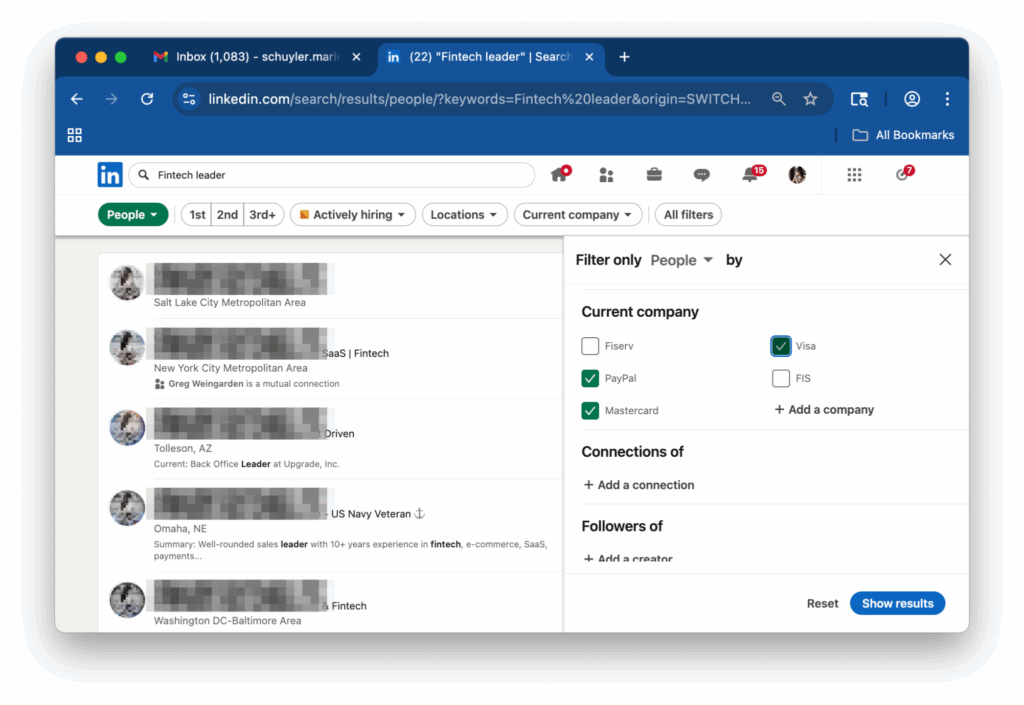
Finding B2B influencers can be more labor-intensive than the consumer side, but the extra effort will pay off in the long run. Not all influencer marketing platforms pull in data from LinkedIn. Luckily, people are very forthcoming about their expertise on their LinkedIn profiles. Manual searching and filtering can fine-tune your search. If you have relationships with talent agents, don’t be afraid to work those connections. These folks can be your best friends when it comes to finding those hidden gems.
Need help perfecting your influencer marketing outreach? Here are some strategies that drive results. PRO TIP: Don’t be afraid to tap into micro influencers. In fact, a significant portion of B2B influencers are micro influencers. Their smaller size packs a punch with higher engagement and more targeted reach. They will also be more cost-effective than working with influencers with more followers.
3. Create Mutually-Beneficial Partnerships
By now, you’ve spent a considerable amount of time finding and securing your industry leaders and VIPs. Remember, this is just as much an opportunity for them as it is for you. Let’s get things kicked off the right way.
At this stage, it’s important to share a very detailed creative brief. Include topics such as:
- Target audience
- Brand voice guidelines
- Campaign goals
- Deliverables
- Key talking points
As with any influencer relationship, make sure they are being compensated fairly. Consider flat rates per deliverable or performance-based pay for campaign goals that are further down the funnel. Retainers can also be negotiated to lock up longer-term collaborations. Clear communication regarding payment terms is essential to prevent delays.
Time lines and approval processes expectations should be set. This is particularly important for more time-sensitive campaigns, such as new features and promotions.
4. Develop High-Value, Educational Content
B2B buyers want insight, not hype. Your influencers should create branded content that solves real-life business problems. Co-creating outlines to keep messaging on point. You can even provide them with more insights regarding data or customer stories to aid their storytelling.
So types of branded content are best? Here are some formats that work particularly well for business customers:
- Whitepapers & eBooks with influencer commentary
- Technical case studies
- How-to video series
- Industry research reports with influencer analysis
Just don’t overscript it. Remember, you’ve started this influencer partnership because of their expertise and sway with niche audiences. Allow them to add their authentic POV to boost credibility.
5. Create a Multichannel Content Distribution Strategy
We’re almost there! You now have a ton of content that you love. What’s one surefire way to get the biggest bang for your buck? Maximize your reach of influencer content by re-purposing it. Plan to publish it on your blog, promote it via email, and create short video clips that are perfect for social platforms. There is no one way to reach everyone. And seeing your branded content in multiple places is going to help your messaging cut through the clutter.
6. Leverage Live and Interactive Formats
Consider hosting joint webinars or live events. This can be mutually beneficial as it allows you and your influencer to showcase their business expertise. Allow attendees to ask questions. Q&A sessions help create more credibility as they require the participants to think on their feet and rely solely on their knowledge.
Earlier this year, MNTN invited AdParlor to participate in a webinar to showcase how we used the platform to drive real results for our clients. It helped build our relationship with the platform, but was also a great lead generation tactic for us. We were so honored by this opportunity. I know your influencers will be just as excited as we were.
7. Measure Performance and Impact on Your Pipeline
At this point, the launch date is quickly approaching, but don’t hit “go” until the tracking details are ironed out. This is where results are made or lost. Like all media, it’s important that you can prove its value. Without an iron-clad tracking strategy, you might miss this opportunity.
Here are some tracking essentials:
- UTM tracking should be appended to all links associated with your campaign. This will allow you to track how users got to your site and which channels, campaigns, and influencers have the best ROI.
- Dedicated landing pages and promo codes can also be used to enhance your influencer-level tracking. Offering unique experiences and codes will easily showcase which influencer is getting you the best results.
Once data starts to populate, keep tabs on your performance.
- Upper-funnel tactics may focus on delivery and engagement metrics (reach, impressions, and engagement)
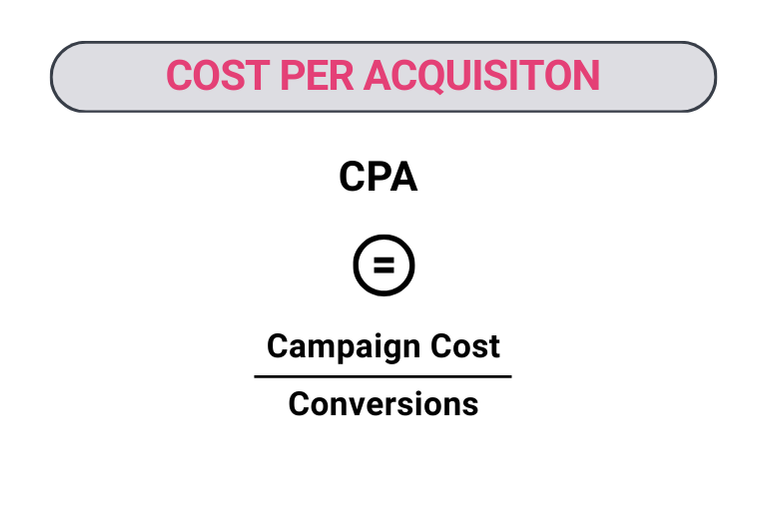
- Mid- and lower-funnel tactics should track CPLC, MQLs, cost per acquisition, and attributed revenue.
If you’re running paid media to amplify your influencer strategy, you’ll be able to track revenue in-platform. These are walled gardens, though. They only track results that they can track back to their own channels. Revenue tracked in Google Analytics will give you a more holistic view of all the touchpoints and how they impacted the company’s bottom line.
Analyze post-campaign reporting to gauge performance. What didn’t work is often just as important as what was successful. Remember to review your results through the lens of each objective and associated KPIs.
8. Tweak Your Strategy Based on Performance Insights
Data-driven insights from these reports help you apply your learnings to your next campaign. Adopting a consistent feedback loop on your influencer strategy will help keep the creative engaging and drive long-term value for your business. This can include:
- Create a playbook of your best practices. These can include your tried-and-tested strategies for product launches, promotions, or messaging that resonated well.
- Monitor performance in real time to see what’s working. This allows you to scale your best tactics and discard or rethink strategies that are below benchmark.
It’s important to be continuously learning. What worked last year might not work as well this year. New voices are always entering the conversation. Trending topics change throughout the year. You need to evolve your evergreen strategy accordingly. Staying current will help you become and remain a leader in your specific industry.
When executed well, an influencer marketing strategy can drive growth. Click here to learn more!
9. Nurture Long-Term Relationships
Congratulations. You’ve successfully wrapped your first B2B influencer campaign. While you may be ready to send off your learnings and call it a day, you’re forgetting one of your key stakeholders… the influencers themselves.
They were with you throughout this whole journey. Consider hosting a post-campaign debrief with them. What do they think went well? Or what could have been better. Their input will make your strategy that much stronger the next time. It will also nurture and build these relationships. Sharing performance insights can help you evolve your business plans for next time and even co-plan future topics. Leveraging their expertise is what brought you together in the first place.
Use your wrap report to find your top performers. Now is a great time to gauge their interest in a longer-term partnership. Perks like early access, invites to brand events, and bonuses can help seal the deal.
Common B2B Influencer Marketing Pitfalls You Should Avoid
B2B influencer marketing isn’t just for flashy consumer brands selling sneakers or sparkling water. It’s a powerful way to reach decision-makers with credibility and trust. While the opportunity is massive, the pitfalls can be just as large. Steer clear of these common mistakes.
1. Focusing Only on Vanity Metrics
It’s easy to get all moony-eyed over an influencer with a ton of LinkedIn followers or thousands of post likes. Unfortunately, if those impressions and likes don’t turn into clicks, leads, or actual revenue, you may feel disappointed. Or worse, completely taken aback when your CMO nixes your budget next year.
So make sure to measure what matters. Track engagement rate, click-through rate (CTR), and conversion figures. Your KPIs should align with your sales funnel. Remember the B2B world, ten clicks from the right audience can be worth more than 10,000 likes from qualified prospects.
2. Skipping Contracts and Clear Briefs
Spur-of-the-moment works great for an impromptu happy hour, but it’s a terrible plan for a B2B influencer campaign. Without contracts or briefs, you risk missing deadlines, tone-deaf content, or surprise invoices. If your campaign will focus on touting new features, make this clear in the brief. Otherwise, you run the risk of receiving posts that feel more random than spot on.
Pro Tip: When possible, request that the influencer post on multiple platforms to expand reach. Ask, or you won’t receive!
Instead, draft a simple but clear agreement. Include:
- Content format and topics
- Posting schedule
- Brand tone and style guidelines
- Approval process
- Payment terms
- Licensing agreements
A one-page brief can prevent weeks of headaches.
3. Ignoring Compliance and Disclosure Rules
AdAge reports that while sponsored posts and paid deals have become more common on LinkedIn, so have the complaints that influencers are failing to meet FTC guidelines. Transparency isn’t optional. Skip the proper disclosures, and you and your influencers could get on the FTC’s bad side. You may also damage your brand’s credibility in the process.
Ensure influencers:
- Clearly mark sponsored posts (#ad, #sponsored, or platform-approved disclosure tools)
- Follow your industry’s regulatory requirements – especially if you’re in finance, healthcare, or legal sectors
- Use accurate and approved claims only
4. Underestimating the B2B Sales Cycle
Keep in mind, B2B deals rarely happen overnight. Expecting a single influencer post to close a million-dollar SaaS contract is like expecting to be fluent in French after one Duolingo session. Entirely unreasonable.
Instead, plan for the long game. Build relationships with your content creators. Invest in an influencer content strategy that aligns with your sales funnel.
- Awareness: Educational LinkedIn posts, webinars, and podcast appearances
- Consideration: Case study videos, product walkthroughs
- Decision: Exclusive demos, testimonials
5. Failing to Accurately Attribute Revenue to Influencers
Without proper tracking, you won’t know which influencer actually drove results. 🙀 Missing UTM tags can make it nearly impossible to understand what or who is responsible for driving customers to your site. Failure to integrate your leads into your CRM systems means those leads cannot be actioned in a timely manner, or worse… lost to the abyss.
The fix:
- Use consistent UTM link tagging for every influencer post
- Integrate with your CRM or analytics tools
- Set up a dashboard to track performance in real time
When you can prove ROI, it’s easier to justify the budget and double down on what works.
B2B influencer marketing is a powerful growth lever, but save yourself some grief and avoid these traps. Keep your eyes on meaningful metrics, protect yourself with clear agreements, stay compliant, build influencer partnerships, and track results meticulously. Do that, and you’ll be the brand other marketers look to for inspiration.
FAQs
B2B influencer marketing is when companies partner with trusted industry experts, thought leaders, or niche content creators to promote products or services to other businesses. Instead of flashy consumer endorsements, B2B influencers typically share insights, case studies, or reviews that resonate with decision-makers.
When done strategically? A resounding yes! B2B buyers value expertise and peer recommendations, and influencers can shorten the trust-building process. The results often come in the form of higher-quality leads, brand credibility, and more engagement with complex topics.
ROI varies, but successful programs can generate measurable results such as increased pipeline opportunities, reduced sales cycles, and higher lead conversion rates. Tracking metrics like engagement rate, cost per lead, and influenced revenue helps quantify impact.
LinkedIn is the top choice for most B2B campaigns due to its professional audience. Other platforms – such as YouTube for in-depth demos, X (formerly Twitter) for real-time industry conversation, and niche industry forums or podcasts – can also be effective.
Look beyond follower counts. Evaluate an influencer’s relevance to your industry, audience alignment, credibility, content quality, and engagement authenticity. A smaller but highly engaged audience of the right decision-makers will outperform a massive but generic following every time.
Ready to Leverage B2B Influencer Marketing for Business Growth?
B2B influencer marketing campaigns work, but only if you avoid common pitfalls and start focusing on meaningful KPIs. If you’re ready to take the guesswork out of influencer marketing, AdParlor can help. Our team connects you with relevant influencers, ensures campaigns run smoothly, and delivers the data-driven insights you need to prove ROI.
Let’s turn influence into impact – get started with AdParlor today. Let’s connect! add any remaining copy here.